
A graduates reflection: my main take-aways from my two years at KI
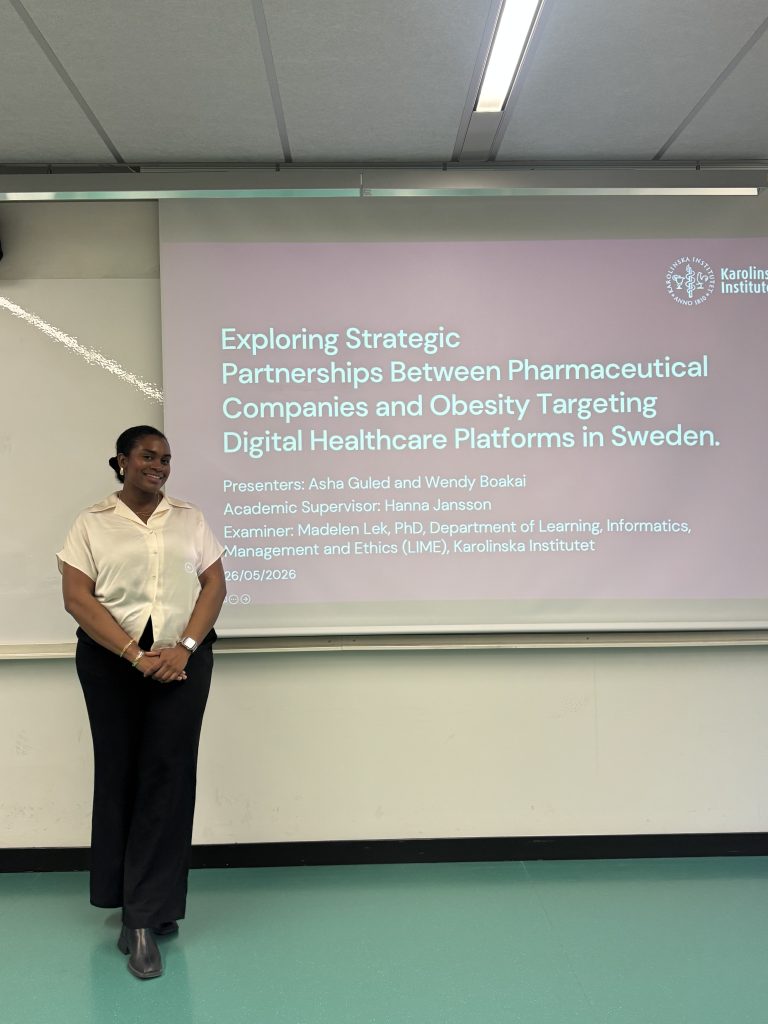
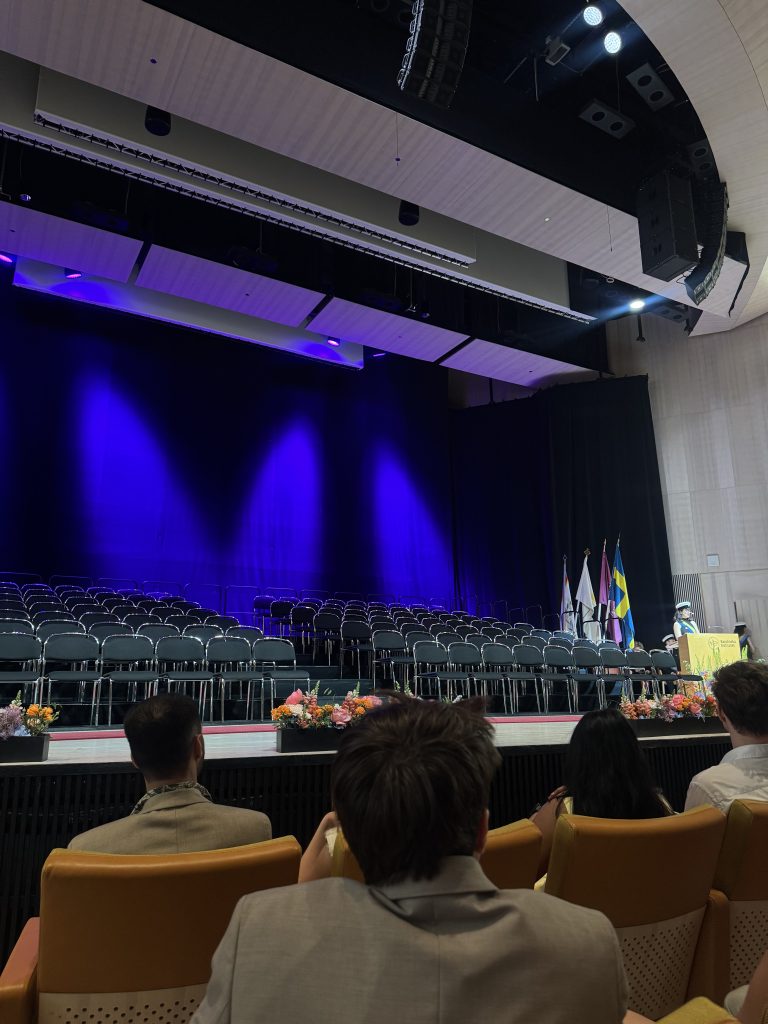
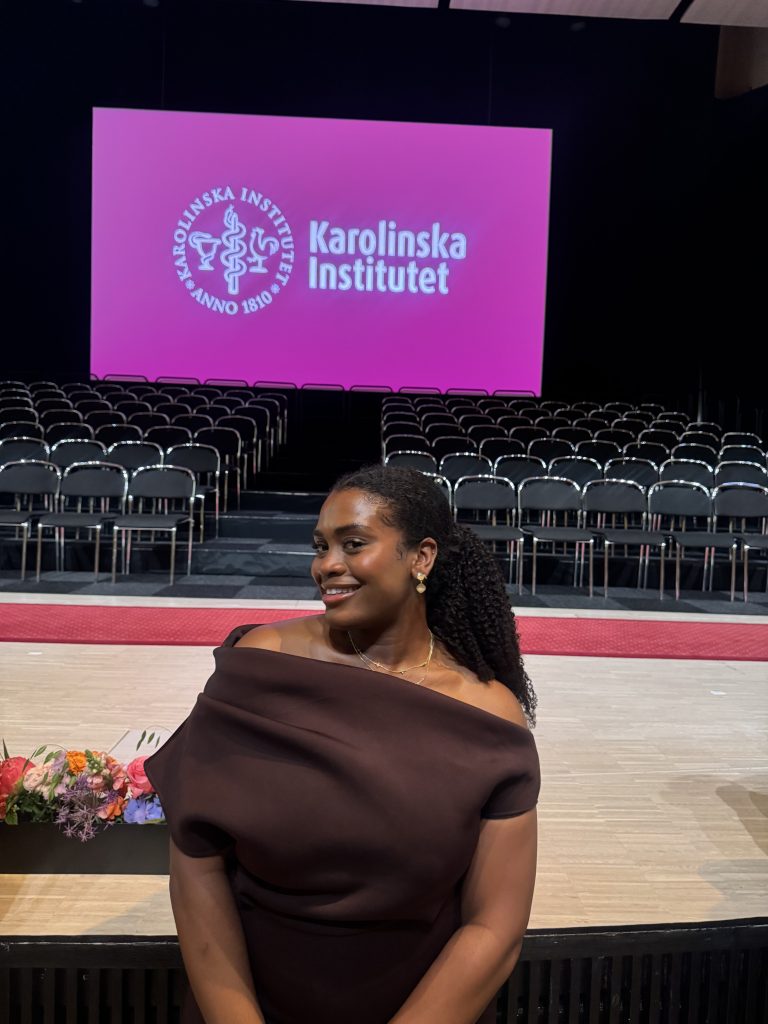
Two years, four academic semesters, 18 months, and countless late nights later, I have graduated from the Bioentrepreneurship master’s program and am now officially a KI alumni! The years went unbelievably fast, but I take away so many memories, new knowledge, and skills I’ve developed along the way. After summer break I’ve had time to fully relax and recover from all the hard work and autumn marks the start of my new journey in the life science sector. But before that, I wanted to reflect on my two years as a student, and what I take with me as I head into this new chapter.
Student organisations can be more than an extracurricular activity
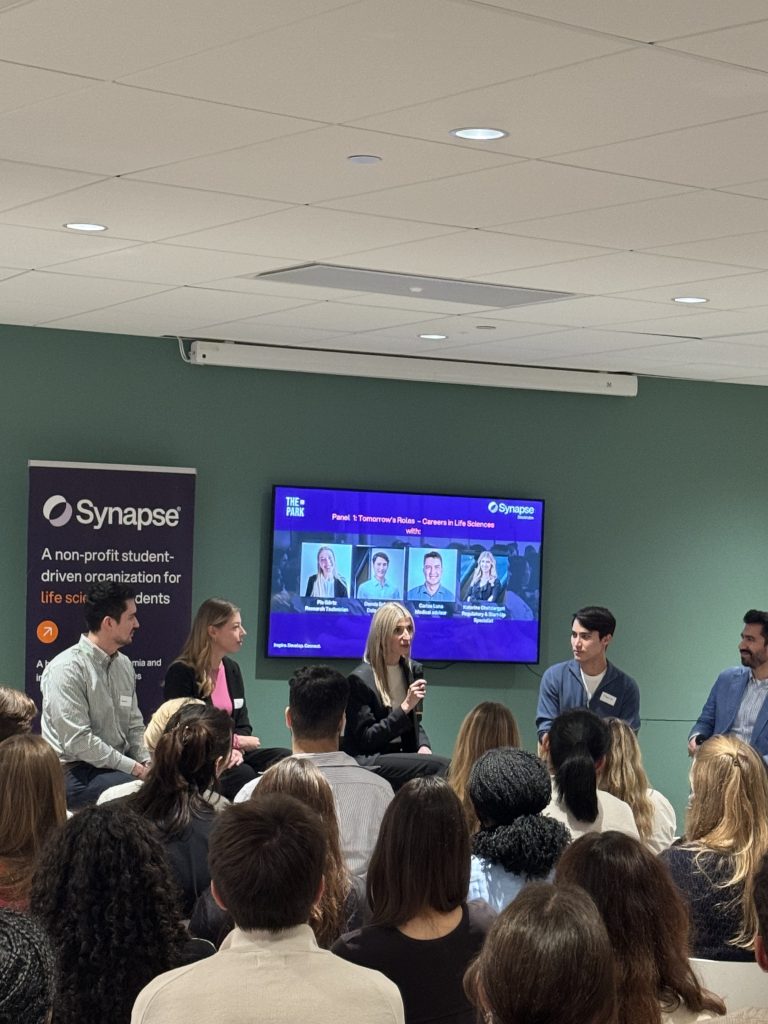
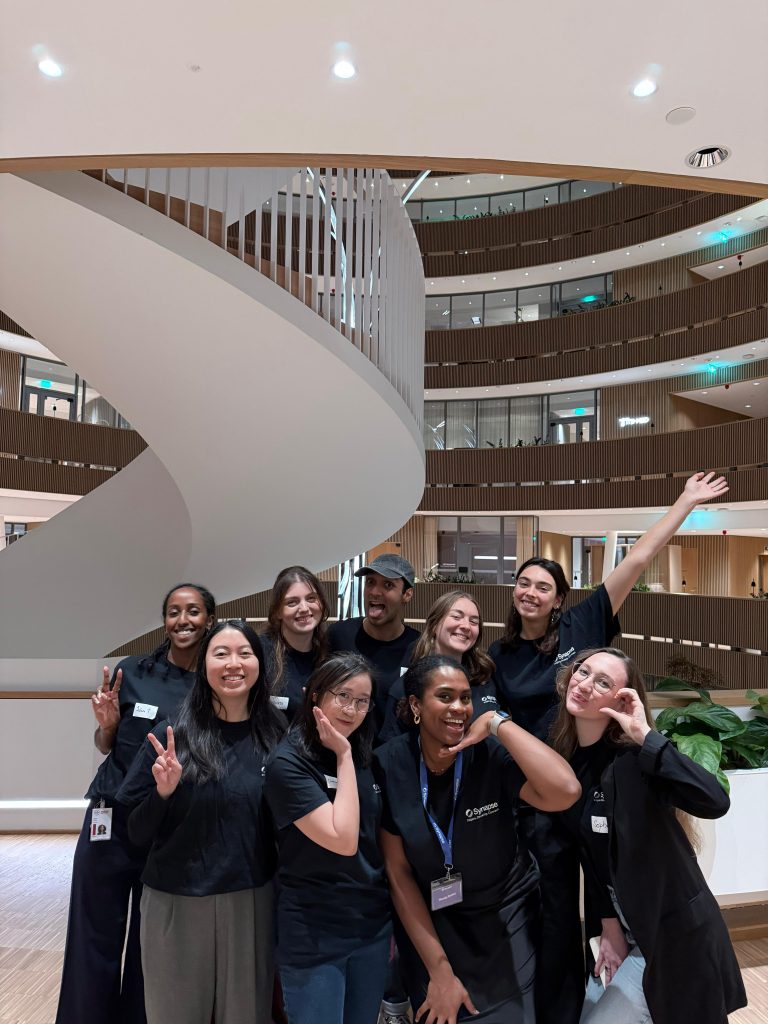
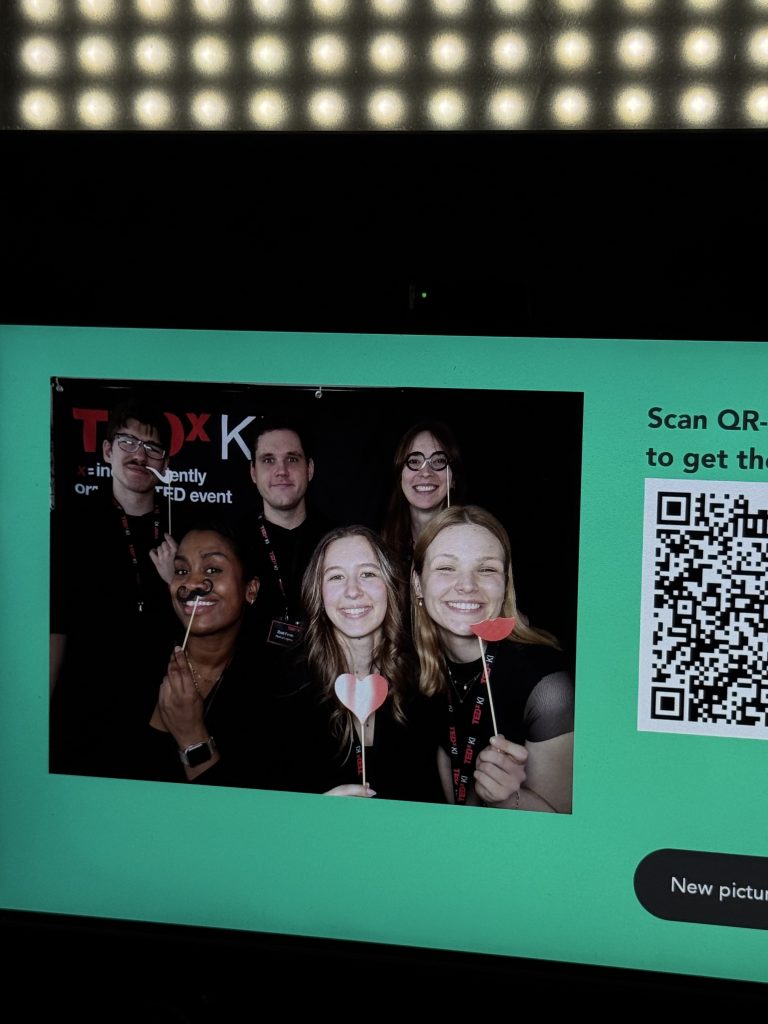
I made incredible memories during my time in the program and at KI, so it’s hard to pick just a few. When I started the program, I knew I wanted to get involved in student committees, something I hadn’t done during my bachelor’s and deeply regretted. Being part of Synapse and TEDxKI (twice), I made memories and friends that have stuck with me since.
The two organisations were very different, but each shaped me in its own way. At Synapse, I got the opportunity to lead event organisation as a core team member, which sparked my interest in becoming an event manager and helped me develop my project management skills. I can’t count how many professionals I met through the events we organised there, some of whom I still run into today. It also made me realise just how small the life science industry in Sweden really is.
At TEDxKI, I first joined as a financial and product strategist, then continued the following year as marketing lead. Both roles sharpened my problem-solving, negotiation, and strategic thinking, skills that have made my CV stronger.
My point is this: an extracurricular activity can be so much more than just a line on your CV. It can become an opportunity to build hard and soft skills that employers genuinely value, and along the way, you’ll cross paths with people who may turn out to be valuable contacts down the line. So stay open-minded, dare to try new things, and make the most of your time in student organisations to grow and sharpen your skills.
Soft skills vs Hard skill
Reflecting to the day I found out I got into the program, I remember feeling excited about what is to come and feeling somewhat relief I can find a way to transition towards the life science industry without having to work in research for years. I anticipated gaining not only core business knowledge, but also the practical insights and skills. Few years later I can say that these expectations were met + more!
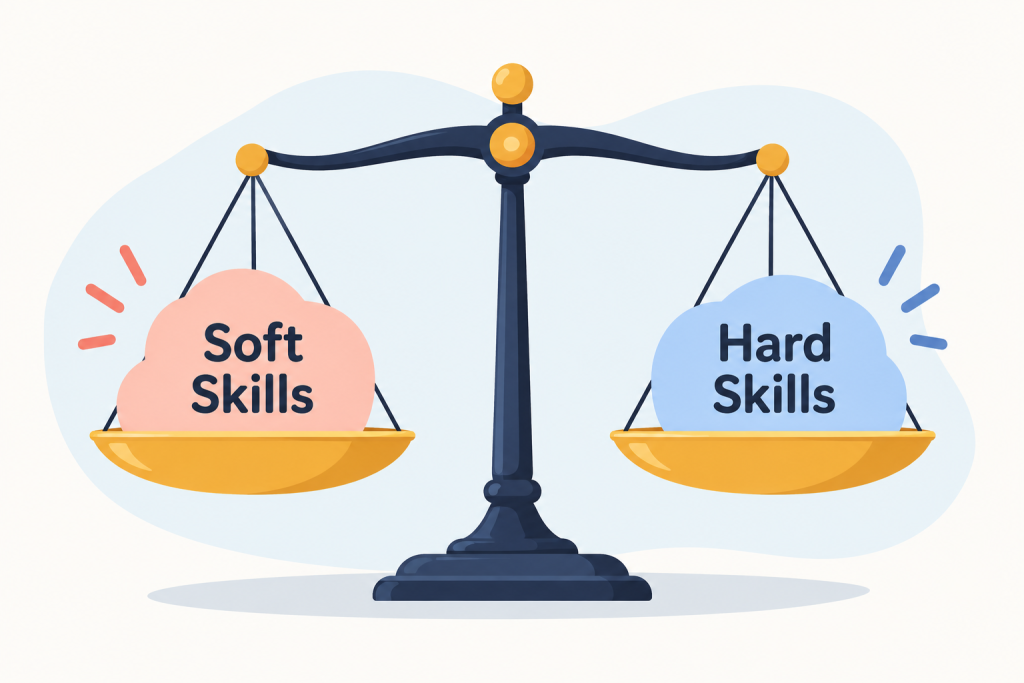
In all honesty, coming to the program I expected the program to contain more theoretical knowledge, and that soft skills like communication skills and other transferable skills, such as organisational skills, would be gained mainly through the practical placements. However these were also trained throughout the program, even with some courses only focusing on for example communication. It was something new to adjust to at first, especially being used to learning through theories and concepts, but later on I realised that transferable and soft skills are super important which many companies values, and can even sometimes overweight hard skills.
There is more to life sciences than “Big Pharma”
I used to dream of working at a big pharmaceutical corporation. After starting the program I kept hearing from alumni and peers that a taste of the startup world would change my mind, and I never thought I’d be convinced. But after interning first at a startup, then at a large pharmaceutical company, and eventually landing my first industry job at a startup, my perspective shifted completely. I now eager to get more experience in a startup or smaller company.
The difference in working style between the two is stark. Startups are fast-paced by nature, and you get exposed to many tasks at once, which accelerates learning. Someone once told me that five years of experience at a big company is roughly equivalent to two years at a startup, and I’ve come to see exactly what they meant. I personally thrive in a hands-on, entrepreneurial environment where the pace keeps things interesting. That said, established pharmaceutical companies are still great places to work, your career growth just tends to move at a slower pace, since you’re often limited to your core responsibilities.
Seize the opportunity to network and create lasting connections
Over the two years of the program, you’ll meet countless people in the life science sector, alumni, guest lecturers, speakers at career events. You might not think much of it in the moment, but these connections can broaden your understanding of different career paths, give you perspective on workplace culture, and offer advice on climbing the career ladder. As I mentioned, the life science industry in Sweden is small and tightly knit, so the person you happen to chat with might know someone in a role you’re interested in, or could even become a reference themselves. I learned to take every opportunity to talk to people in these settings, not just for advice, but to build real connections.
If you have the chance, become a Digital Ambassador

In my final year of my bachelor’s, feeling lost about what to do next and unsure if I even wanted to stay in research, I remember scrolling through KI’s website and coming across the Bioentrepreneurship program, along with the previous Digital Ambassador (DA) Fausta’s blog posts. Reading through them, I instantly knew this was the right path for me. Her experiences and insights answered nearly all my questions and gave me the confidence to commit to the program. Once I was in, I was curious about what studying at KI would actually be like, and Fausta’s posts (along with the other DAs’) helped me know what to expect.
I knew I wanted to help anyone standing where I once stood: hesitant about leaving their field for something new. Changing paths isn’t easy, so by sharing how this decision led me exactly where I wanted to be, I hoped to help someone feel a little less alone in that uncertainty. As a DA, I loved meeting new people, showing prospective students around KI’s Solna campus and my favourite study spots, and being able to answer questions and pass on advice I’d once been given myself.
Being a DA gave me a platform to share my story and help prospective students, but it also helped me refine my writing, something I’d always felt a bit insecure about. It was a genuinely fun two years, and I’d encourage anyone considering it to become a DA, not just to make an impact, but to strengthen your writing, step outside your comfort zone, and make new friends along the way.
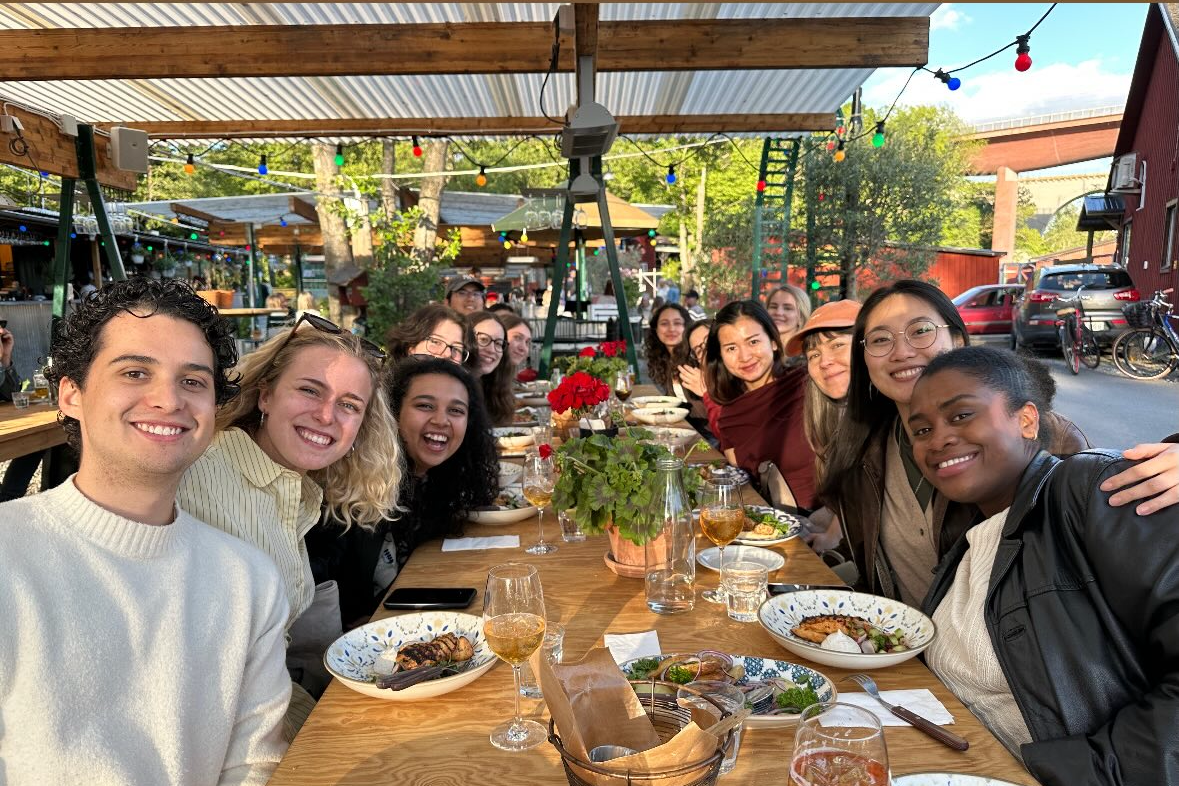

Thank you to everyone who read my blogs, I hope sharing my experiences as a student at KI has been insightful. I’ll still be calling Stockholm my home, and like I said the life science industry is small, so if you see me around networking events don’t hesitate to say hi!
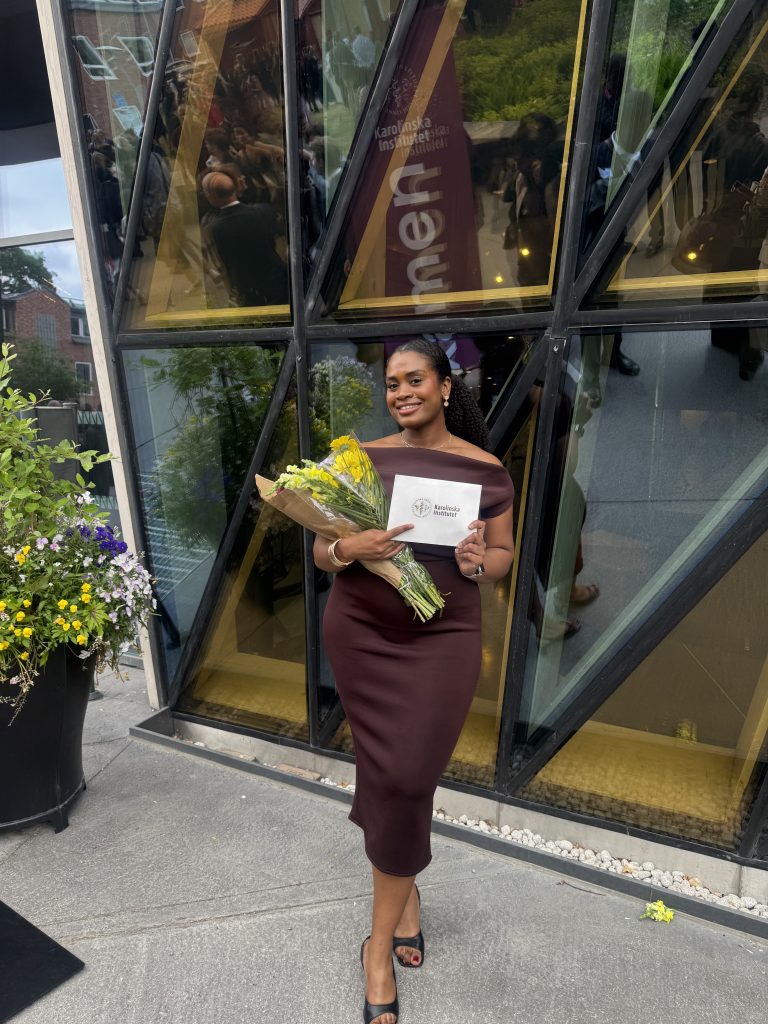

Wendy - Bioentrepreneurship
Hej everyone, I'm Wendy from Finland! I'm currently studying in the Bioentrepreneurship master's program (MBE) at Karolinska Institutet. I was drawn to this program because of my interest in the business aspects of life sciences and the unique intersection between science and entrepreneurship. I'm excited to share my journey as an MBE student at KI with you! When I'm not studying, you can find me at the gym, baking, enjoying fika with friends or crocheting. I am also looking forward to exploring the beautiful city of Stockholm – especially discovering and trying out different brunch spots and cafés.
0 comments