
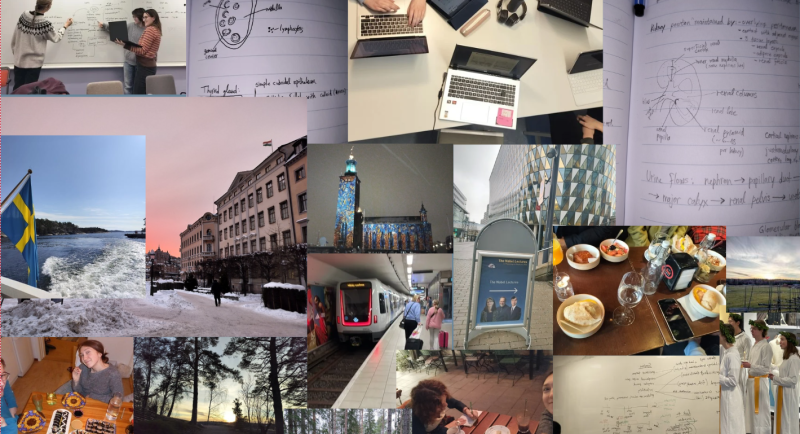
Recap of my 1st semester in the Toxicology Master’s
My first semester of the Toxicology master’s has come to an end and today decided to write a little “review”. The last time I shared my impressions of the Tox Master’s with you was in the beginning of October, so it’s about time that you get some updates! Read this if you want to know what we did this semester, what I learned, what I liked and what not. In the end, I’ll also finish up with some reflections and my personal takeaways.
What did we do?
We had three courses this semester: Principles of Toxicology, Target Organ Toxicology and Histopathology & Clinical Pathology. But a heads-up: from next year on, the structure of the programme will be slightly changed, and instead of three, there will only be two courses during the first semester. Principles of Toxicology will stay, but the other two will be merged. Just keep that in mind when reading my blog, because things will not fully be the same from 2026 onwards.
The master’s kicked off in late summer with the one-month Principles of Toxicology course. This course was a soft start and consisted of lectures, seminars, a journal club and an exam.
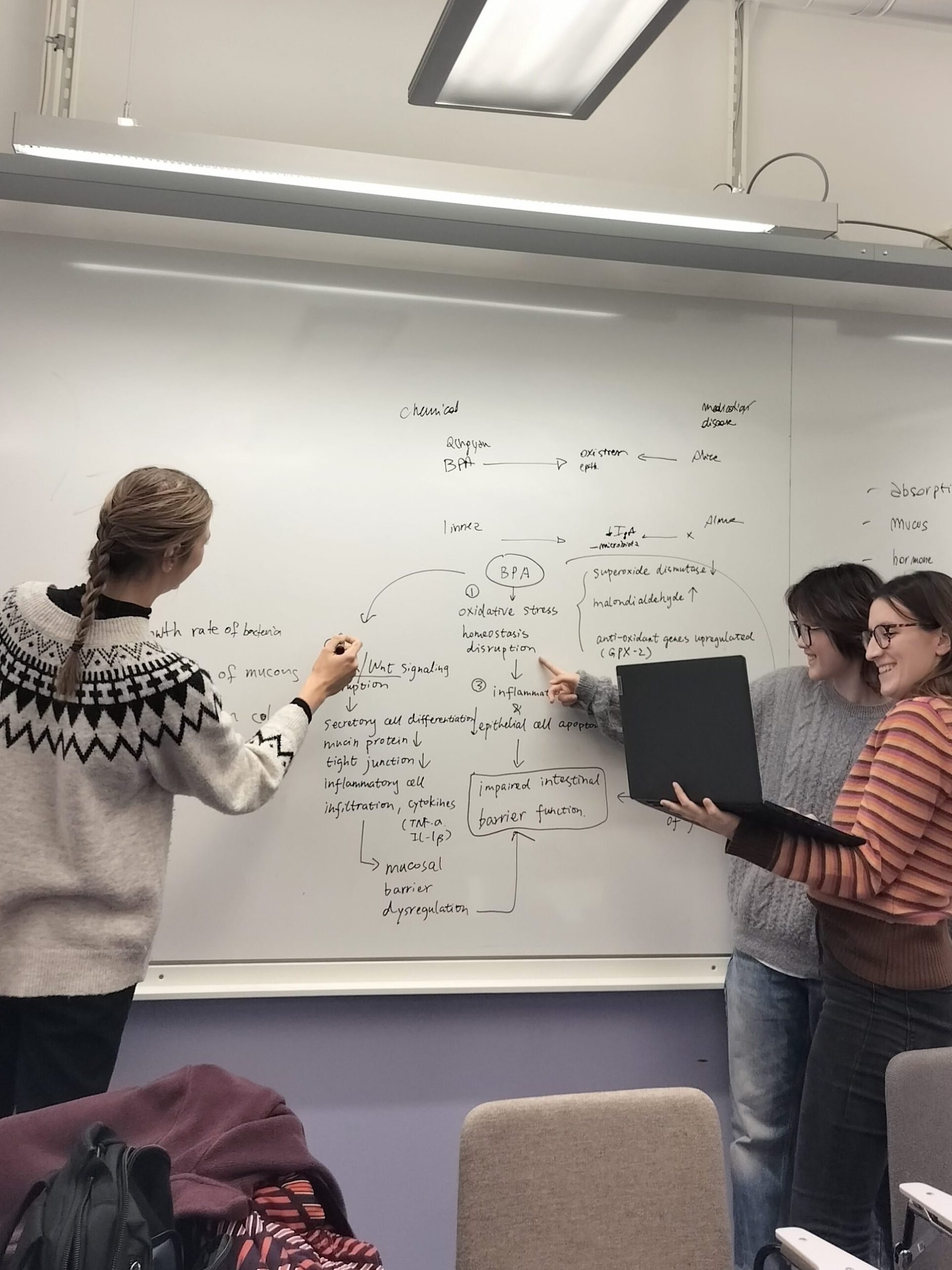
With autumn progressing and days getting shorter, we entered the second course: Target Organ Toxicology (TOT). This one consisted of many short modules, each on a different organ or organ system. This meant we had module exams every 1-2 weeks, additionally to the 2-day final exam in the end. Another TOT characteristics are PBLs (PBL=Problem based learning). PBLs are “detective works” where we get information on someone’s symptoms and exposures (e.g. occupation, diet, … ) and have to figure out what toxicants caused what issues. In practice, that means a lot of paper-reading, discussions and presentations. Note that I’ll be writing a lot about TOT in this blog. That’s just because it was the longest course.
With the arrival of winter, the last course, Histo- and Clinical Pathology, started. It contained an individual assignment and a group presentation, but besides that, it was mainly self studies and some lectures, since it took place over the holidays. The course ended with an exam.
What did I learn?
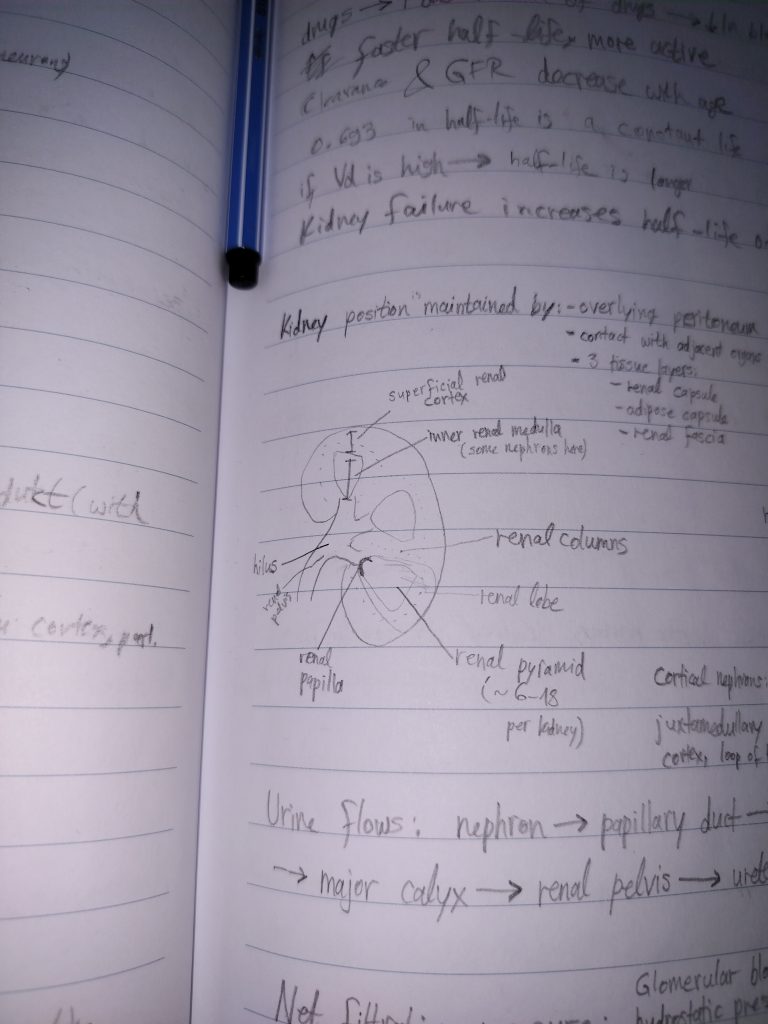
Well first and foremost I learned a lot about toxicology, as you may have expected! The Principles of Toxicology course introduced us to different toxicology topics and made sure we know the science basics. In Target Organ Toxicology, the main focus was on different target organs, and a recurring topic here were also toxicokinetics and -dynamics. In the last course, this knowledge about the organs was expanded by how they look histologically and how this changes in case of pathologies.
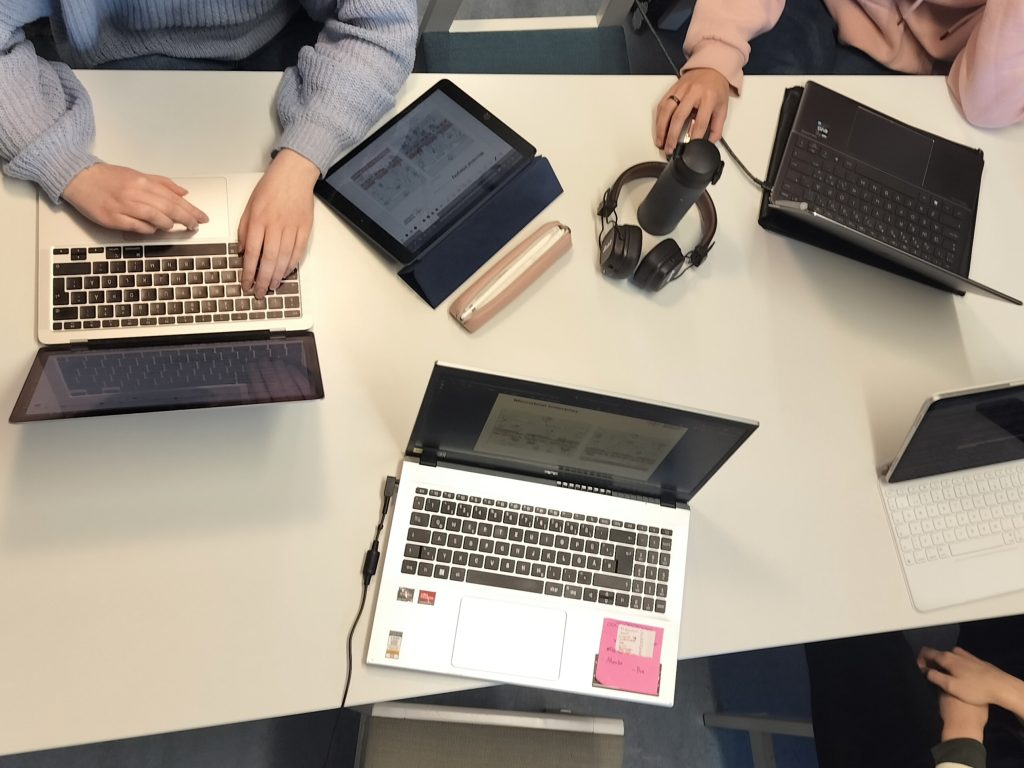
Something else I learned was group work. Not that I didn’t know it before, but during this semester I for sure improved my skills in it. I think that’s because we got so much practice (especially the PBLs), but also because weren’t just thrown into it but had useful workshops and reflection opportunities.
The most important thing I learned in this semester was getting to the point (although today’s long-winded blog post is maybe not the best proof of that). Our assignments had strict word limits, and whenever we gave presentations, we at first made too many slides which then hardly fit in the allocated presentation time slot. But it got easier the more we got to do it. And getting to the point is probably a very useful skill both for studies (&future work) and in real life, so that’s something I gladly keep in my pocket.
What did I like?
I’m happy to say that I really liked the content. It’s a great feeling to be learning interesting things, and I am happy with how the master’s (so far) really aligns with what I had expected. It’s all about how the environment we’re surrounded with affects our bodies, and this perfectly combines my interests in the world within (biology) and around (environment) us. Although actually, they can also blur, and the “around” us sometimes also comes from “within” us… As you can see, there’s a lot to explore in our field!
Something else I appreciate from this semester is the structure. The first course was a soft start that made me curious for more. TOT was intense, but having it split up in modules made it possible to dive into one topic at a time. Doing PBLs throughout most modules made sense, since they forced us to actively work with the contents instead of just passively taking them in. The best side effect of PBLs was that they kept me focused; the motivation to pay close attention to a lecture is much higher when you know that the lecturer might be (without even knowing it) dropping facts that are highly relevant to the PBL case you’re currently trying to solve.
What will I not miss?
I will not miss the density of exams and presentations of the TOT course. We had module exams every 1-2 weeks, ongoing group works (PBLs) most of the time, and a 2-day final exam in the end. The pace of this course was very high, so I would be lying if I left out the stress that accompanied me through those months. I was exhausted after this course and more than ever ready for Christmas.
My personal reflections and takeaways
Although things were tough, I must admit that the exams and presentations were good for something. They made sure I stayed on track, and taught me to get resistant to stress. We had so much to do at some points that, while the first PBL presentations were practiced thoroughly, the last ones were winged on the spot. And I don’t think this means I got lazy (right?!), it just means I figured out a better way. The same is true for the exams: with the high pace, there was no way that I would learn every bit of information on time, so I learned to filter on what’s important. Looking back now, I wonder: Was this the whole idea behind everything? Were we simply supposed to learn how to filter out information and focus on important stuff? If that’s the case: it was a tough method, but it worked. I certainly don’t want to invalidate the stress I went through last semester, but I do want to believe that it made me stronger.
That being said, I did also have time for things outside of uni. I met up with friends, spent time outdoors, had friends and family from abroad visiting, went to choir rehearsals and concerts, and did a lot of the organizational stuff in my choir. Most of these things recharged me, others not so much, but my point is that they were possible. Before I started at KI, I was worried about the amount of free-time I’d have once the studies started. After this semester I can say that it of course differs between weeks (sometimes there is more space for personal things, sometimes less), but generally it is really possible to have hobbies and free-time. But the time for it won’t automatically be there – you have to actively take it.
Ready for semester 2?
Absolutely! I’m all in for the spring semester, and after the calmer Christmas period I even feel kind of recovered from past autumn. I’m curious to see what the upcoming courses will look like, and I’m also just very excited for the general idea of spring. Daylight hours are already increasing a lot, and knowing that that will continue this whole term is a good feeling. Probably the darkness and bad weather in autumn also contributed to the exhaustion from the past semester, so now that spring is on its way, things will get easier again! I’m very ready for it and wish you and us all a good spring semester.

Linnea - Toxicology
Hi! I’m Linnea, a student in the Toxicology Master’s. I’m Finnish-German and originally came to Stockholm for the Bachelor’s in Biomedicine. Because of the high level of education at KI, the opportunities for students to get involved, and the life I’ve built here so far, I decided to stay for my Master’s. Toxicology was an obvious choice because I find it interesting and important. I love spending my free time in nature, cozily at home and at choir rehearsal. I’m excited to share my experiences with you!
0 comments