
What were students in Masters in Molecular Techniques in Life Science (MTLS) doing for their 10 week project course?
Hej everyone from the new semester! I know that the application season just ended for all you prospective students, but I thought that this would still be a good time to share about some research opportunities that the MTLS programme can offer as we just finished up our 10-week project elective at KTH. From the half-time and final presentations, I was intrigued by the diversity of research from my classmates. So this time, instead of hearing from me, I asked my classmates to share their lovely research experience during the project course with you all to give you guys a sneak peek.
In this blog, I introduce you to four of my classmates: Filippa, Urša, Enrique and Mridini. They were all doing research in different life science fields across different schools, an advantage of the fact that MTLS is a joint programme. Follow along, not only to read about their project but also for some advice they wanna share with all prospective MTLS students.
Q. What is the title of your project and which group/lab are you doing the project with?
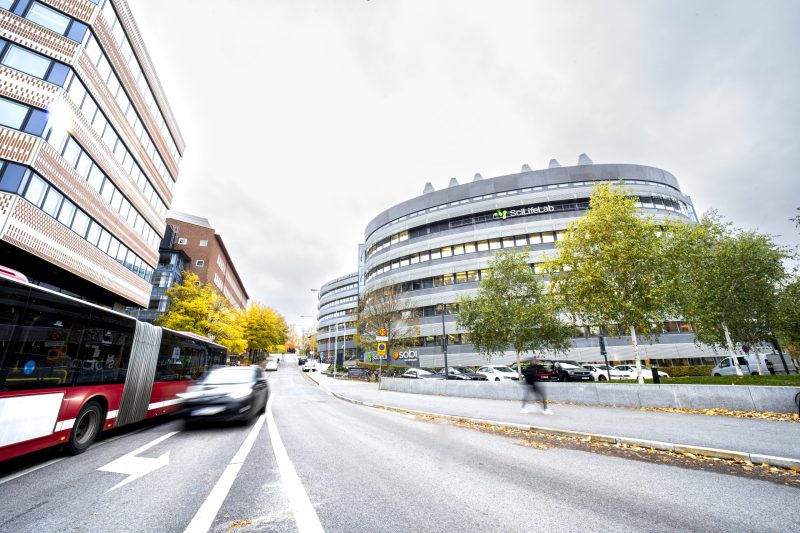
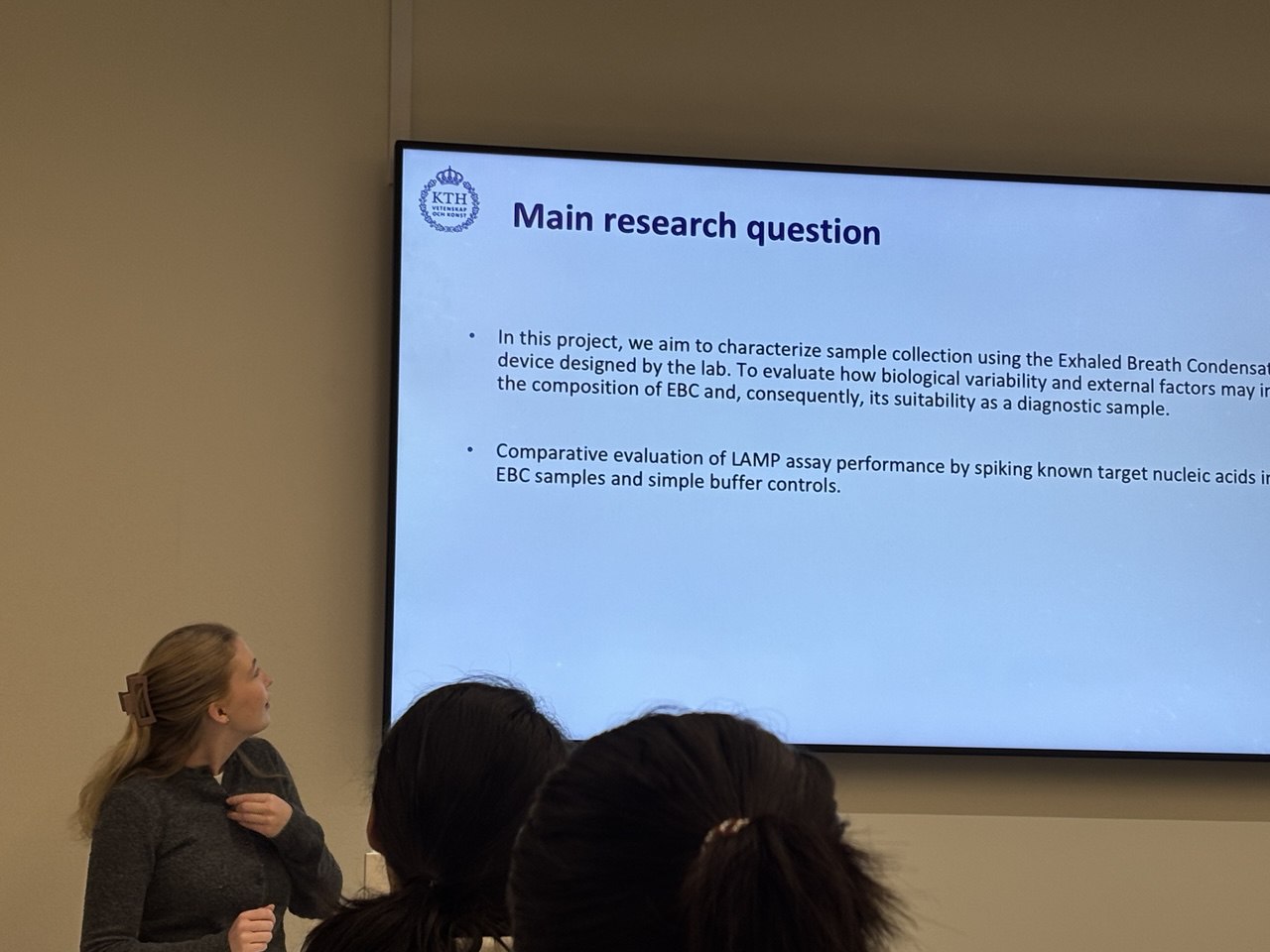
Filippa: My project title was “Exhaled Breath Condensate as a Diagnostic Sample for Tuberculosis: Optimization of sample collection and Inhibitor Assessment for Loop mediated isothermal amplification (LAMP)”. I did my project in Aman Russom’s group, and my supervisor was Ahmad Saleem Akhtar, PhD (SciLifeLab with KTH)
Urša: The title of my project was “Flow Matching for Inverse Protein Folding”, and I was doing the project in the Elofsson Lab at Stockholm University (SU).
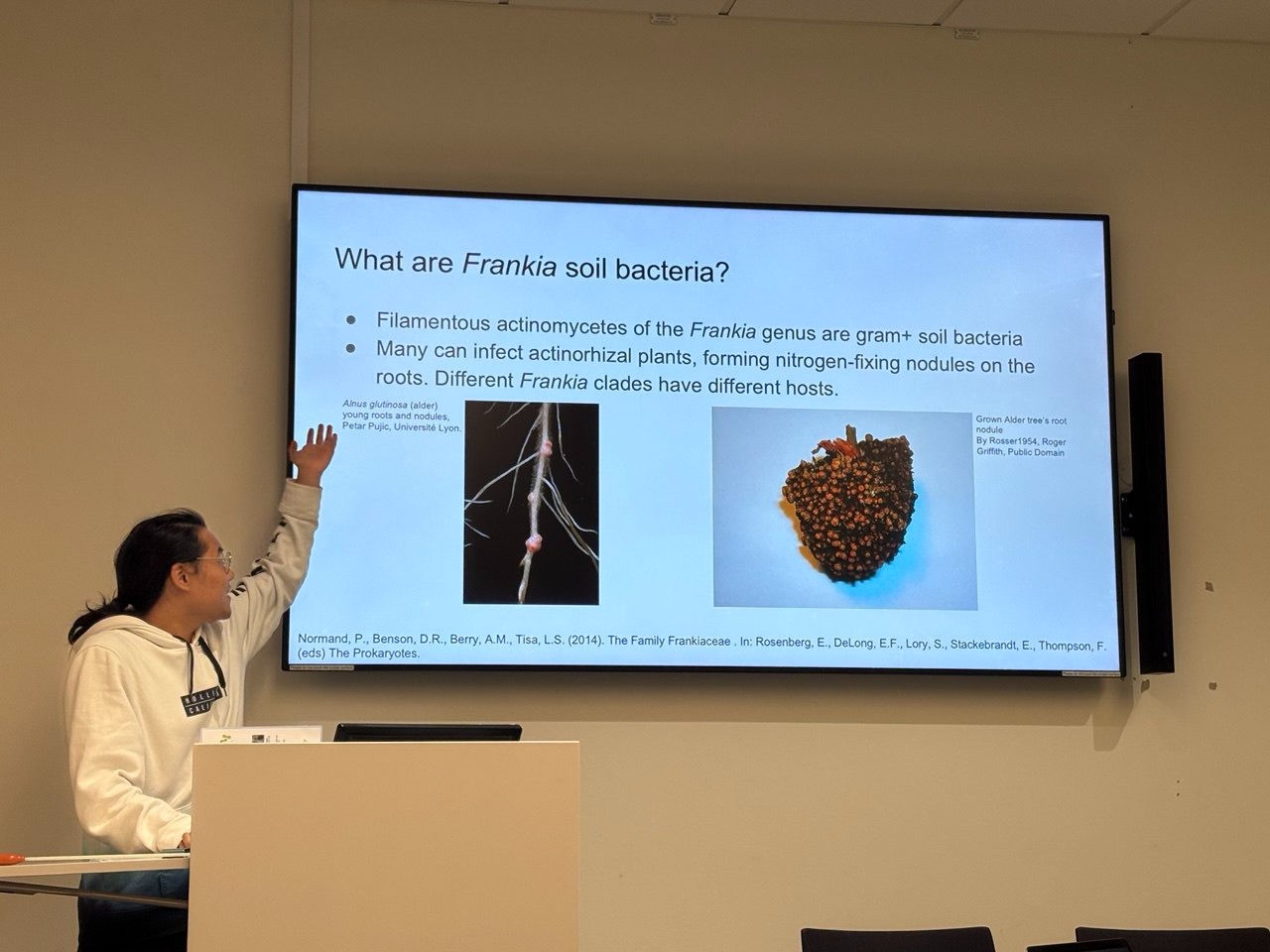
Enrique: “Characterisation of Frankia irregularis Tai2’s Heavy Metal Resistances and Replicating Growth on Solid Media”. The project was supervised by Katharina Pawlowski at Pawlowski labs in Stockholm’s University Department of Ecology, Environment and Plant Sciences (DEEP).
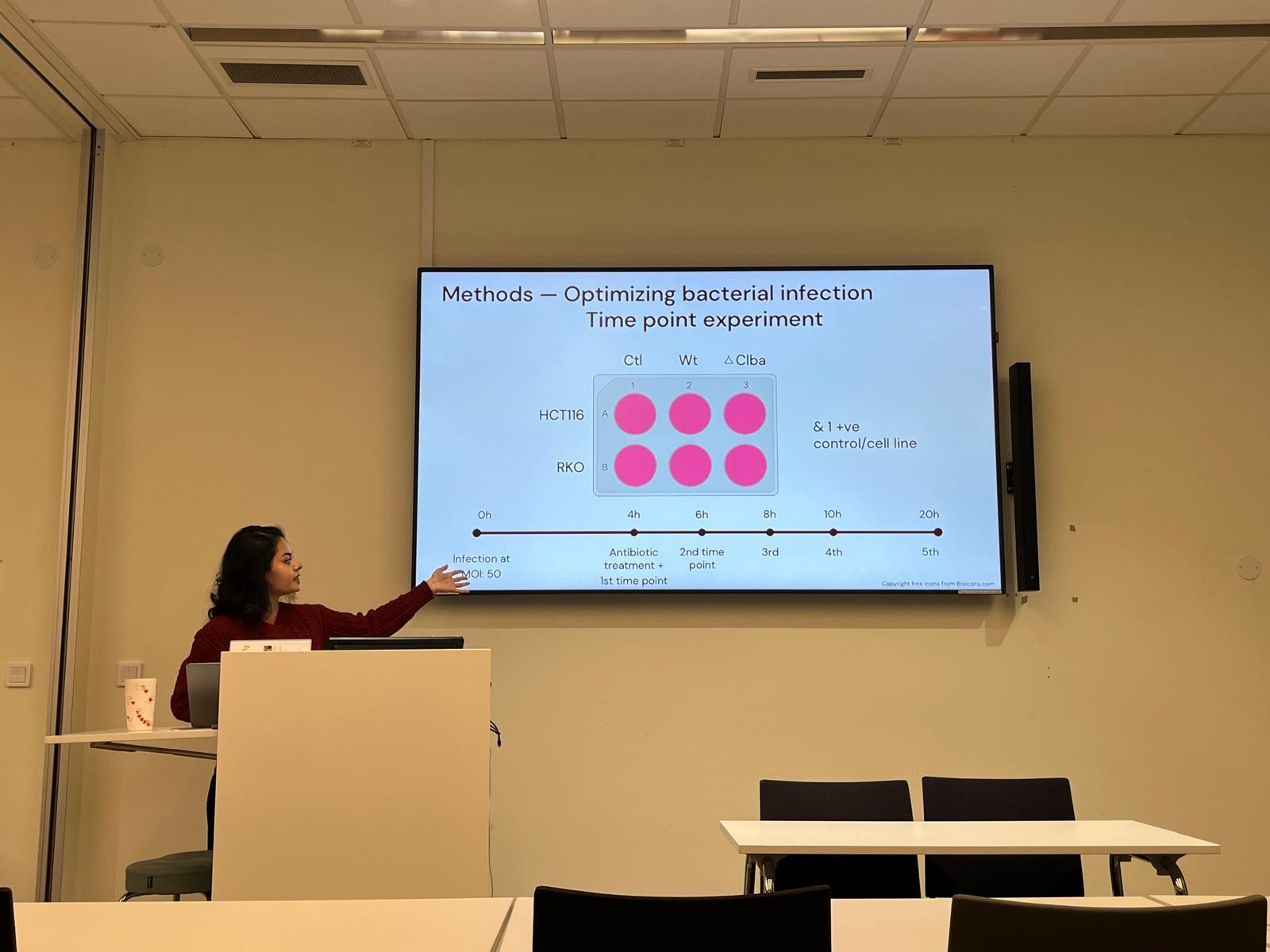
Mridini: The title of my project was “Functional Validation of Host Factors in Colibactin-Induced DNA Damage” in the Peuget Lab at KI; a joint discipline lab investigating the microbiota-driven modulation of cancer pathways led by Sylvain Peuget, team leader of tumor biology, and Marie-Stéphanie Aschtgen, team leader of microbiology.
Q. What was the project about?
Filippa: The project evaluated exhaled breath condensate as a diagnostic sample for Tuberculosis. The lab had developed a device for sample collection, and the main aim was to evaluate how biological variability and external factors may influence the composition of the exhaled breath condensate. This was done by sampling different people at different times of the day. The samples will then be evaluated using Loop mediated isothermal amplification (LAMP).
Urša: Inverse protein folding relates to predicting which amino acid sequence could fold into a target 3D structure. It is essentially the opposite of what AlphaFold does and is crucial in computational protein design and drug development. My work aimed at improving one such machine learning model, and it involved modifying, retraining, and evaluating it on test data.
Enrique: The project was essentially about investigating the biology of this new Frankia strain called Tai2 and also validating the methods that were developed previously. The area is extremely underfunded and therefore under-researched, so replication and improvement of results is key. The main experiment was therefore: test the salt and heavy metal resistances of Tai2. The validation experiments involved: growing Frankia bacteria in solid media, which are notoriously bad at growing in solid media. Another validation experiment was growing the plants that Frankia infects with sterile protocols.
Mridini: This project aimed to validate the host machinery involved in the trafficking of bacterial genotoxin called colibactin, which had been linked to colorectal cancer through specific mutational signatures, into host cells. I had been working with bacterial infection and siRNA transfection to confirm which host factors are essential for colibactin to cause the most damage with the aim to reveal new insights into the molecular link between gut bacteria and cancer.
Q. How did you find this project?
Filippa: I contacted the supervisor directly from a list of potential supervisors we got from our course coordinator.
Urša: I was pretty lucky and was invited to join this project during an oral assessment in the Bioinformatics course, after explaining my solution well.
Enrique: Honest moment: I mass BCC’d supervisors from DEEP who are involved in plant science hoping to get a project. Katharina was kindly the one who responded and we met to talk about the project. Perseverance paid off thankfully.
Mridini: I was looking for a project for the summer so I went to the Research Project Fair held at Karolinska in April of this year. I did not end up staying in Stockholm for the summer but luckily secured a project with my lab in advance instead!
Q. What are some challenges that you encountered in this project and how did you overcome them?
Filippa: (At the time of the interview), the biggest challenge was contamination we were seeing in the assay, which was something we would like to avoid. So a possible solution for that was later tested and addressed. Other challenges, since we were collecting samples from people, had been organizing the sample collection, but people had been very nice and had participated.
Urša: This project was definitely the most challenging project I have ever done. Although I have previous experience with machine learning, moving from image segmentation to the realms of proteins requires a lot more mathematical reasoning and the models become way more complex. It took me some time to first learn PyTorch and then understand what each part of the model does. Nevertheless, I really enjoyed how much I was learning from doing something completely new, and I had a great supervisor who was always there to help.
Enrique: Wet lab is incredibly time-consuming and can only be done on-site. This is good in a way because I could have a work-life physical separation. However, being constrained to the facilities to be able to progress the project had been hard to coordinate with the course happening simultaneously. A lot of the progress could have been done within less weeks, but I am “forced” to pick up on the missing time and commit longer hours and effort than 50% in the lab.
Other small challenges include having to prepare a lot of stock solutions, media, containers, etc. all with different protocols and requirements. Small things like learning proper lab behaviour and committing to the risk reduction can add up and be overwhelming. For example, needing to have all my vials at the ready and having to constantly remind myself to not touch anything at all while handling sterile materials or toxic things.
Mridini: A couple challenges I have encountered include juggling my course work with the experiments as well as coordinating between the two labs that my project is under as it is a joint-discipline lab. For managing the course work and lab project, it may not be the healthiest option, but I had accepted that I may need to stay a little later than 5 pm from time to time (obviously I still haven’t adapted to Swedish work-life balance yet).
Q. Any advice for prospective MTLS students reading this blog?
Filippa: It is a great master’s with a lot of different kinds of courses, so you will learn a lot! From someone who isn’t the biggest fan of the computational side, expect a lot of computational courses and labs rather than wet labs. They are quite hard when you have no experience, but you will learn, and they get easier! My biggest advice for someone wanting to do this master’s is to, before you start, familiarize yourself with both Python and R, it will help you! I am very happy that my project is almost only wet lab, since we have done a lot of computational labs, and I missed the wet lab part of research.
Urša: I remember a conversation Kai-Lin and I had in our first year, about how graduate studies are all about what you make of them yourself. I have often thought about it since, and found it to be true. So, my advice would be to be proactive, think what is important to you, and go for it. It is often easier than it seems, and choosing your own path instead of just going with the flow can make your experience a thousand times better.
Enrique: Main advice: be stubborn and keep trying to find a project you care about, or at least can enjoy and learn in a way you will find interesting. I feel so rewarded to be finally working with a subject I am interested in. The extremely long days and hard work at the lab don’t feel bad because I enjoy the process. I sometimes kept wanting to work for longer hours but students are forbidden to be in the lab past a certain time. It is indeed hard work, but it feels very rewarding and good to be “in my element.” Even though the exact topic of bacterial symbiosis was unexpected, I ended up loving the topic as I found reasons to do so while delving into the literature.
Secondary advice: Being persistent with emails works. Don’t be embarrassed to remind the email recipients about your old email.
Mridini: If you are interested in a wet lab project, I recommend trying to join earlier than your project starts so you have enough time to familiarise yourself with the protocols and the space. I have seen a couple of my friends do that and they seem much more relaxed now than me who has been scrambling to get my experiments to work.
Q. Wet lab or dry lab?
I asked the rest of my MTLS cohort whether they were doing wet lab or dry lab and you can see the result below. It was an informal survey and offers just a glance at the balance between both wet-lab and dry-lab opportunities here in MTLS. Looking at the chart, I can say from a personal perspective that there is something here for you and we are not bound by one or the other.
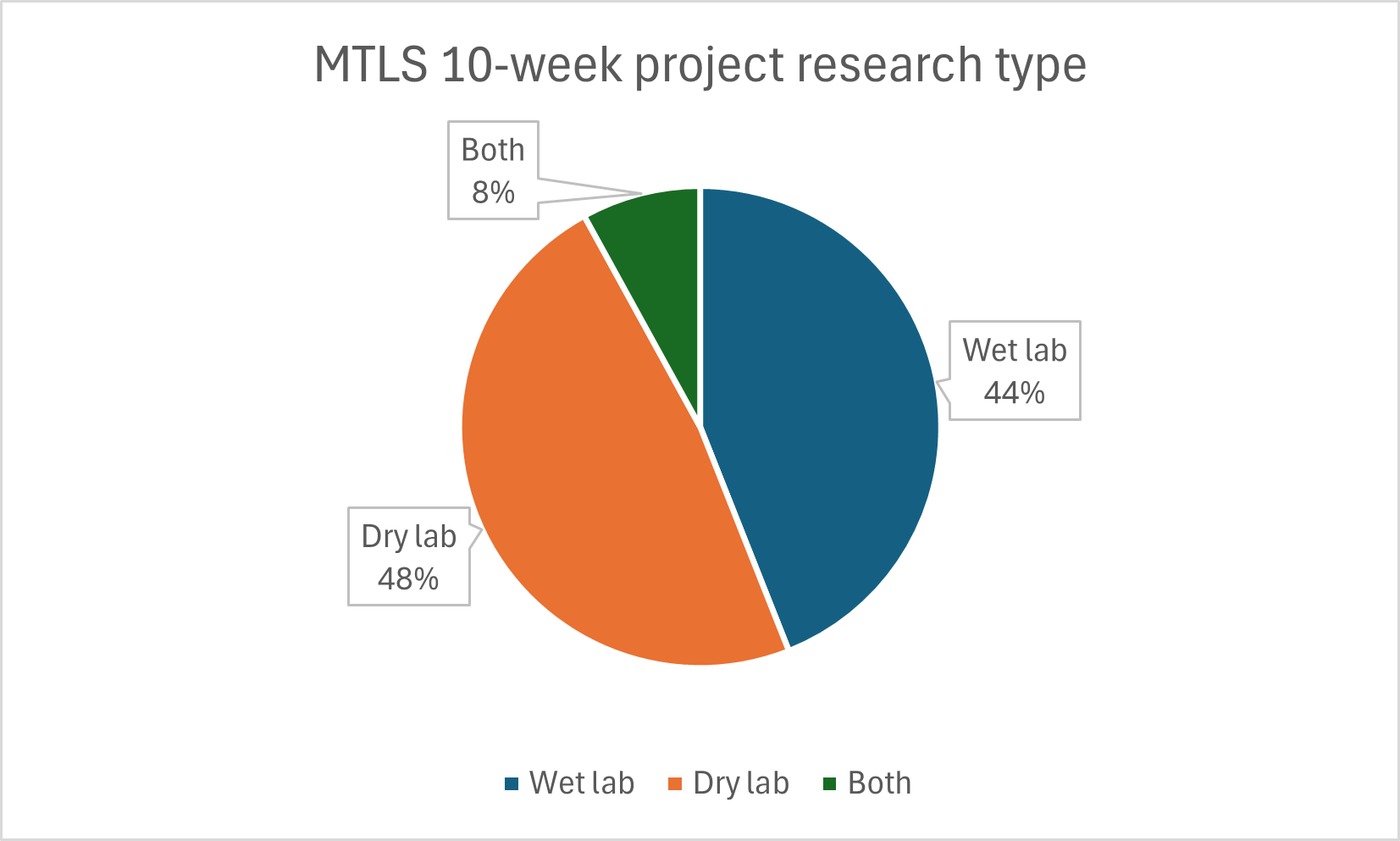
Thanks to all my classmates and the special four in this blog who helped to make this blog a reality and hopefully their efforts will be helpful to anyone who wants to learn more about the MTLS programme.
If you want to check out some of the labs mentioned here or look for more research conducted at KI and SciLifeLab, check out the research pages!

Kai-Lin - Molecular Techniques in Life Sciences
My name is Kai-Lin. I am currently a master’s student in the Master's Programme in Molecular Techniques in Life Sciences. I come from the sunny island of Jamaica and completed my bachelor’s degree in Singapore. I felt drawn towards this programme because of the high calibre of research that Karolinska Institutet produces and the collaborative nature of the Stockholm trio. Since coming to Stockholm, I have started to enjoy taking walks (and getting some sun) whenever I can. Hopefully, I can share some of those mini adventures with you on the blog!
0 comments