
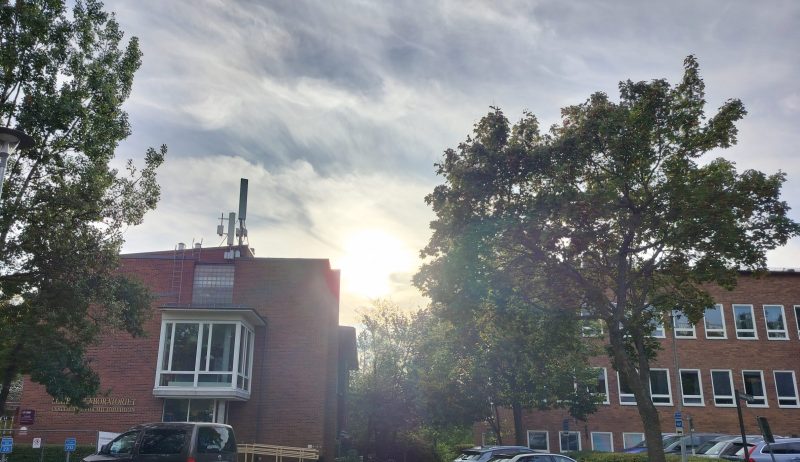
The Bergendorff internship in toxicology: interview with Sofie
What do toxicology students do during summer break (besides taking the well-deserved break and/or going to a summer school)?
In today’s blog, I will introduce you to my friend Sofie who is one of this years’ three Bergendorff scholars. That means she got the opportunity to do an internship at our Master programme’s host department IMM (Institute for environmental medicine) during the summer. Let’s hear how it was for her and what recommendations she has for you who want to apply to this in the future!
What was your project about?
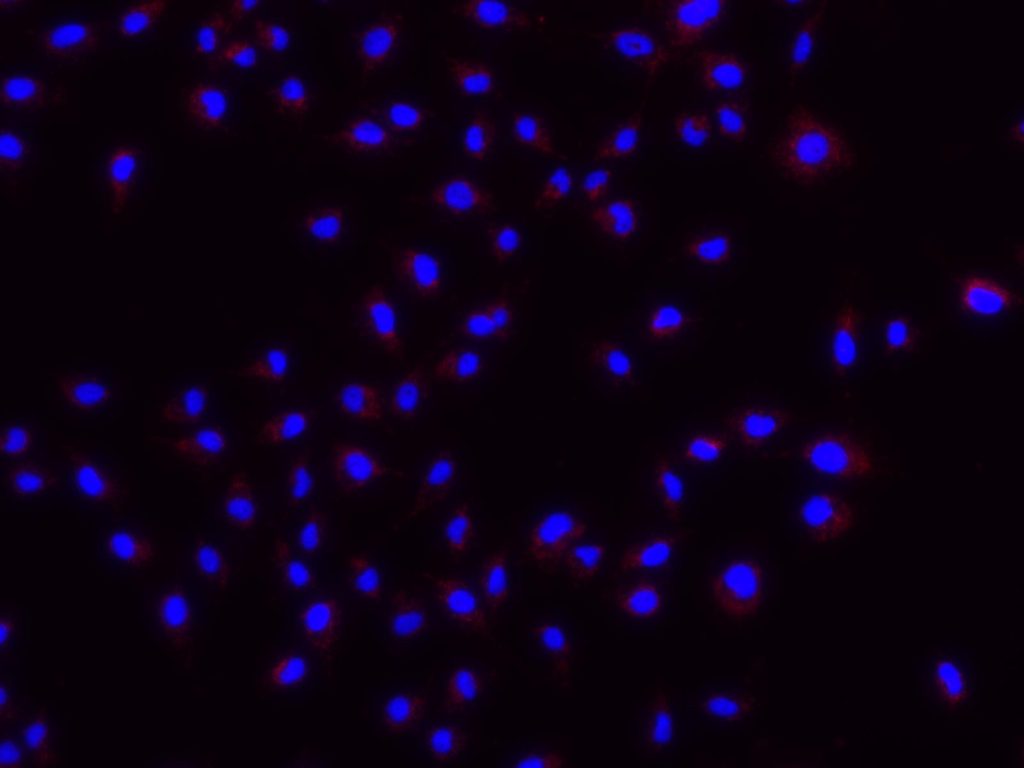
I did my project in the Genetic toxicology group at IMM that (among others) works with health effects from exposure to Amazon wildlife particles. My project was a wet lab-based project where we exposed a lung cell model to particles that had been sampled during wildfires in the Amazon and then looked at different endpoints to investigate the mechanisms of toxicity.
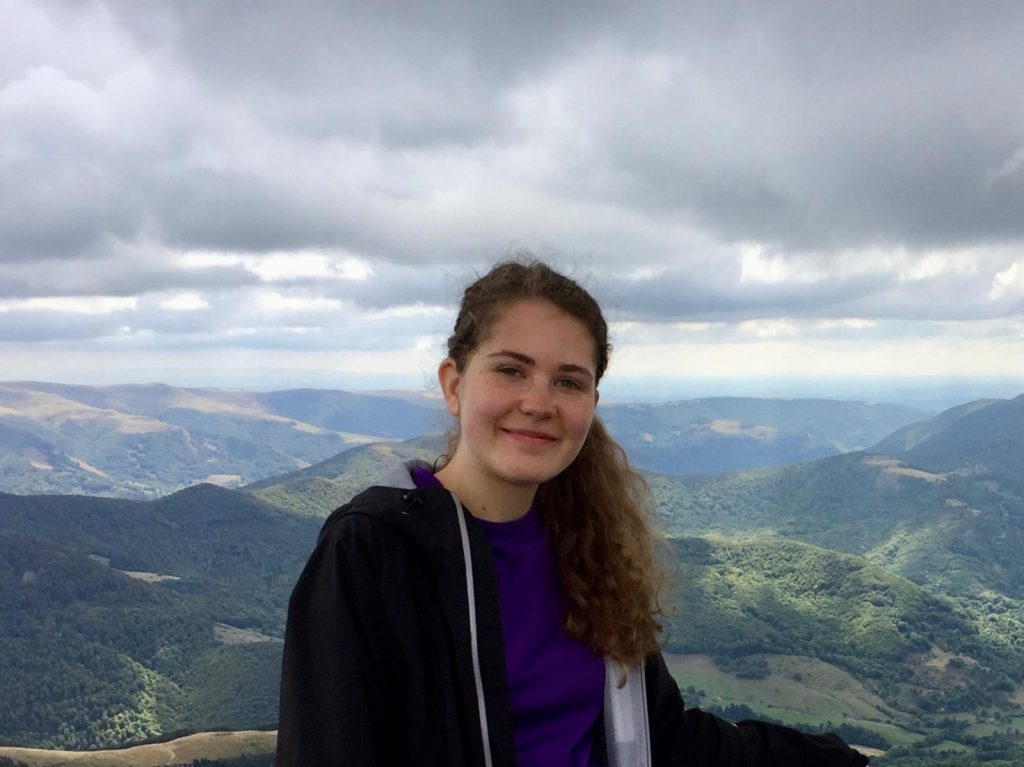
This is important because over 10 million people live in the deforestation arc where most wildfires occur in the Amazon and air pollution is one of the major causes of death globally. Amazon wildfires may also increase in the future because of climate change.
How did you find your project?
The Bergendorff project ends with a presentation where classmates, supervisors and first-year students are invited to listen to the projects that the second-year students performed. I attended the presentations last year and directly got inspired to apply for this year. One project interested me a lot, so after the presentations, I asked the student that had done that project a bit more about her experience. She then happened to become one of my supervisors this year. I also thought about what lectures had interested me and looked through the list of groups at IMM on the KI website, before contacting a lab. We then set up a meeting and decided on a project that I could apply with.
How did a typical day look like during your internship?
The days varied but in general, I was either in the lab in the mornings doing experiments or spent time in the office reading articles, preparing for experiments or discussing the project with my supervisors. After that, we had lunch together in the group and after lunch, I was usually busy with more experiments. We also had lab meetings every second week, where all the group members presented what they had been up to for the past two weeks and the plan for the coming weeks. This was a great way to practice your presentation skills, but also to get new ideas from other people in the lab.
Do you have any tips for students that are also interested in the Bergendorff scholarship?
- Think about what interests you and if there is a topic you had a lecture about that you would like to do a project in.
- You are here to learn and are not expected to know the methods beforehand. Personally, I had never performed most methods that I used this summer, and I took it as a great opportunity to learn new techniques.
- Ask questions. Your supervisor is happy to discuss with you and don’t be afraid to bring up your own ideas.
- Even though the Bergendorff project is at least 8 weeks long, you also have plenty of time to enjoy the summer.
Your highlights from the time?
The highlight from the time was the people. Everyone I met during my project were super friendly and willing to help. My supervisors were also open to my ideas and happy to answer all the questions I had. Another highlight was that I learned a lot. I learned about the topic but also got to practice new methods, scientific thinking and problem solving.
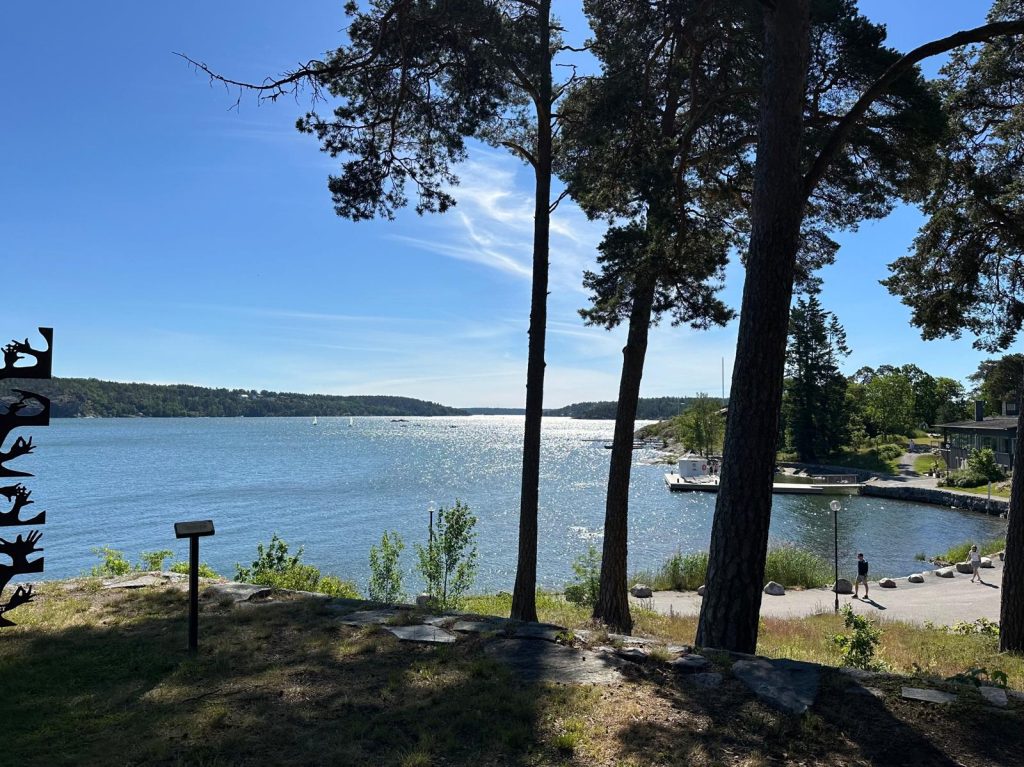
I am eternally grateful for getting the opportunity to do this project and for all the amazing people I met this summer, including my supervisors.
Thanks for the interview and thanks for reading!

Linnea - Toxicology
Hi! I’m Linnea, a student in the Toxicology Master’s. I’m Finnish-German and originally came to Stockholm for the Bachelor’s in Biomedicine. Because of the high level of education at KI, the opportunities for students to get involved, and the life I’ve built here so far, I decided to stay for my Master’s. Toxicology was an obvious choice because I find it interesting and important. I love spending my free time in nature, cozily at home and at choir rehearsal. I’m excited to share my experiences with you!
0 comments