
Q&A: Internship opportunities at KI as a biomedicine bachelor’s student
One of the main reasons I dreamt of being accepted to KI, was that I had heard it was quite easy to (as a bachelor’s student!) get an internship in one of the countless research groups at KI. My highschool-self couldn’t wait to enter a lab of real scientists and assist them in their cancer research…a dream.
However, throughout my first year, as I got more and more lab experience from the program’s lab practicals, I began to realize that maybe wet lab isn’t really my thing. So, I never started contacting cool cancer research teams. (Still, I did really enjoy my experience at the KI Summer School which you can read about in my blog: KI Summer School in Medical Research (KISS): My Experience & What You Should Know.)
But to prove to you just how possible it is to get an internship during your bachelors at KI, here are some of my classmates’ and friend’s experiences with their internships!
Benjamin works in KI’s Protein Science Facility
1. What research group do you work for?
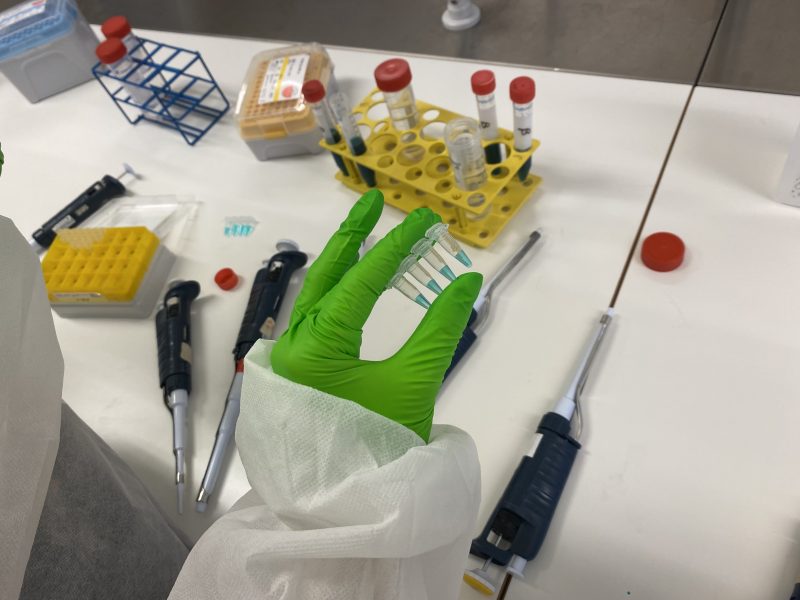
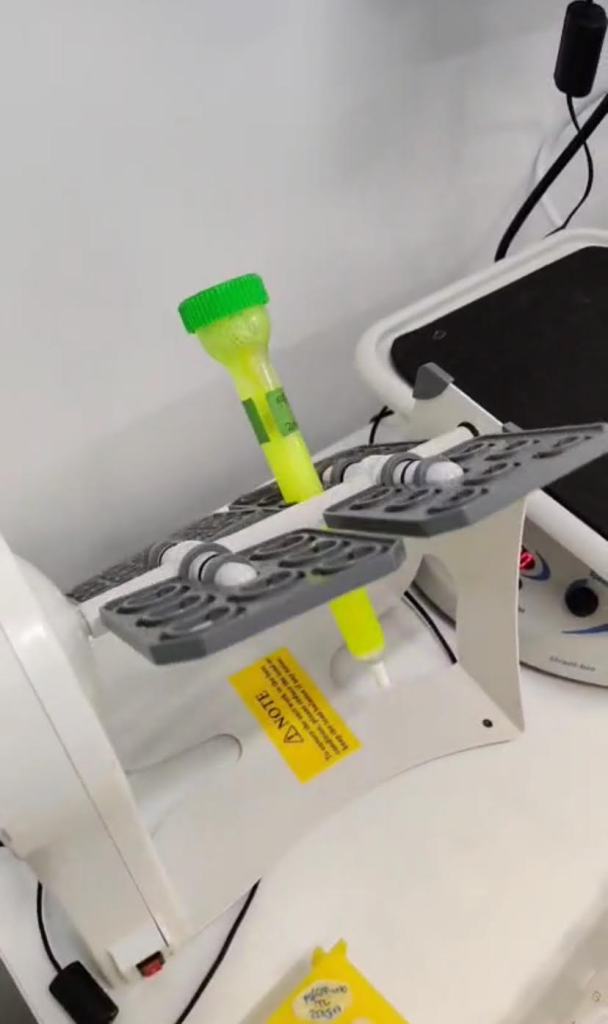
I work for a core facility at KI called Protein Science Facility which produces recombinant proteins as a service for other labs at KI and internationally.
2. How did you get your internship?
I asked one of our course directors if I could work in his lab. He didn’t have a position for me but referred me to someone he knew was looking for an intern.
3. What kind of work do you do?
I do buffer and media preparations, as well as the culturing and harvesting of the cells for protein purifications.
4. Is it difficult to balance it with your studies?
No, it is quite easily manageable since I can choose how many hours I want to work up to a maximum of 8 hours per week.
5. Are you paid?
Yes, I am paid on an hourly basis.
Danijel worked with stem cells at KI’s Department of Children’s and Women’s health
1. What research group do you work for?
I worked in the team of Jõao Pedro Alves-Lopes, which is now a part of the Herold Group at the Department of Children‘s and Women‘s Health.
2. How did you get your internship?
Right after a lecture in the course Cell-, Stem cell and Developmental Biology I came up to the lecturer, which was Jõao, and I asked him if I could work in his team as a bachelor student during my studies.
3. What kind of work do you do?
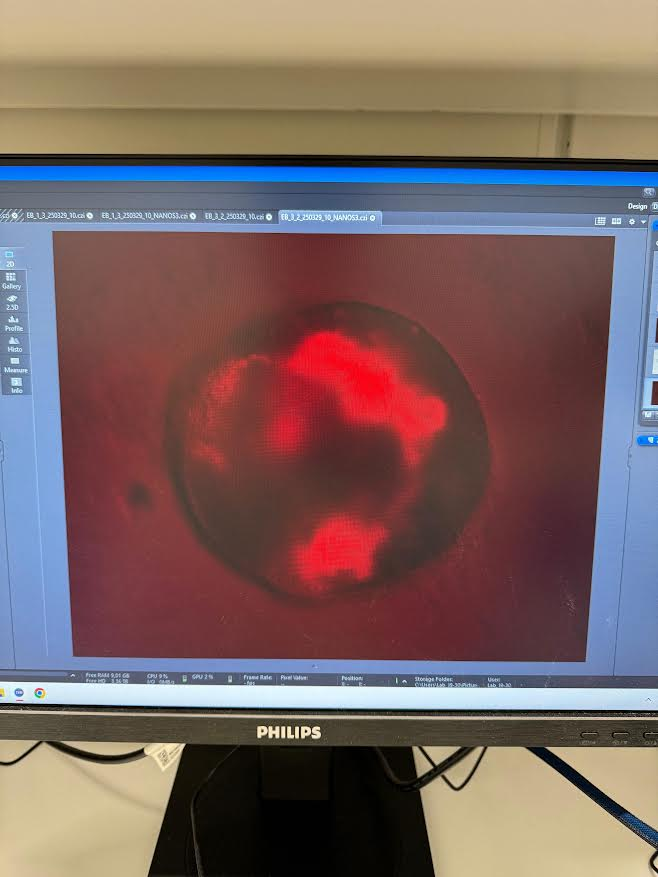
I mainly worked with stem cells and turning them into hPGCLCs (human primordial germ cell-like cells).
4. Is it difficult to balance it with your studies?
Not at all, I worked right before or after the lectures (mainly after) and on the weekends. When an exam came up I didn‘t come in and my team was completely fine with that and took care of my cell lines.
5. Are you paid?
No.
Rebekah studied cerebral palsy at the department of Pharmacology and Physiology
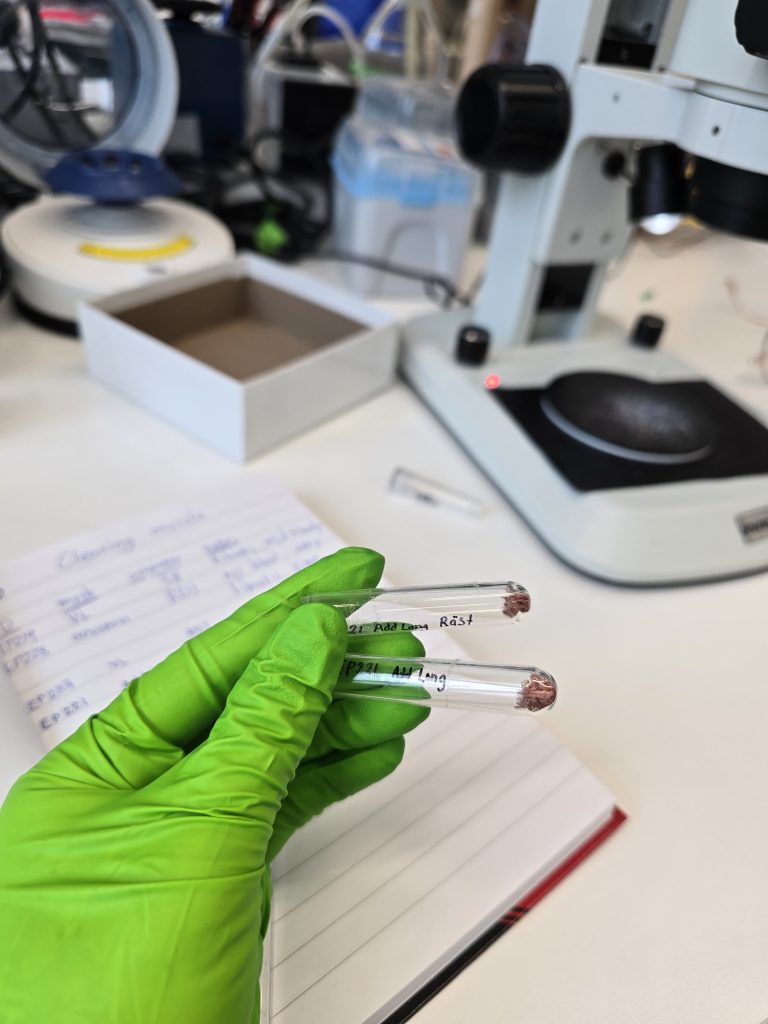
1. What research group do you work for?
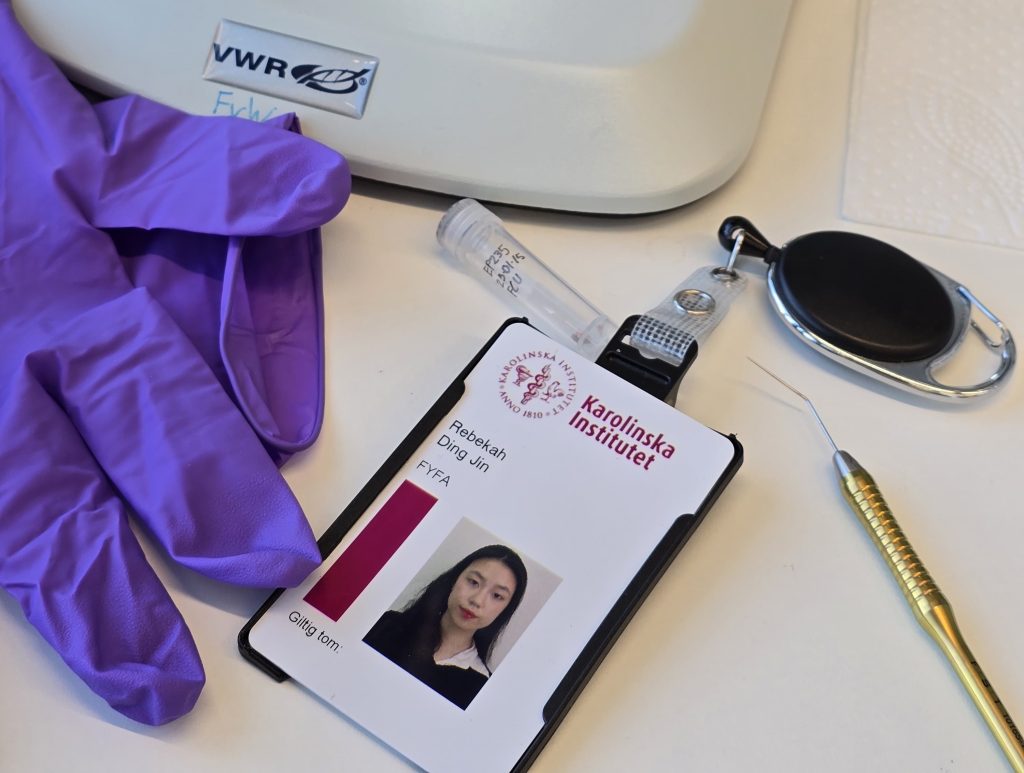
Ferdinand von Walden group, Department of Pharmcology and Physiology (FYFA)
2. How did you get your internship?
I heard from a mutual friend who’s a PhD student in the group that there might be an opening for an intern as a master student had just left, and so I reached out to my current PI and supervisor via email.
3. What kind of work do you do?
I’m helping my supervisor, a postdoc, with his research on cerebral palsy. Currently I’m mostly working with muscle biopsies from pediatric patients we get from the Karolinska Institutet Hospital.
4. Is it difficult to balance it with your studies?
I am very lucky in that I get lots flexibility from my supervisor, so during the school semester I come whenever my schedule allows it, either before or after class. The hours I spend in the lab also depends on my workload, so it’s not too difficult balancing the internship with my studies.
5. Are you paid?
This summer I worked full time for a month which I was paid for, but during the school semester I am not.
Iacob worked for Tobias Karlsson’s group in the Department of Neuroscience
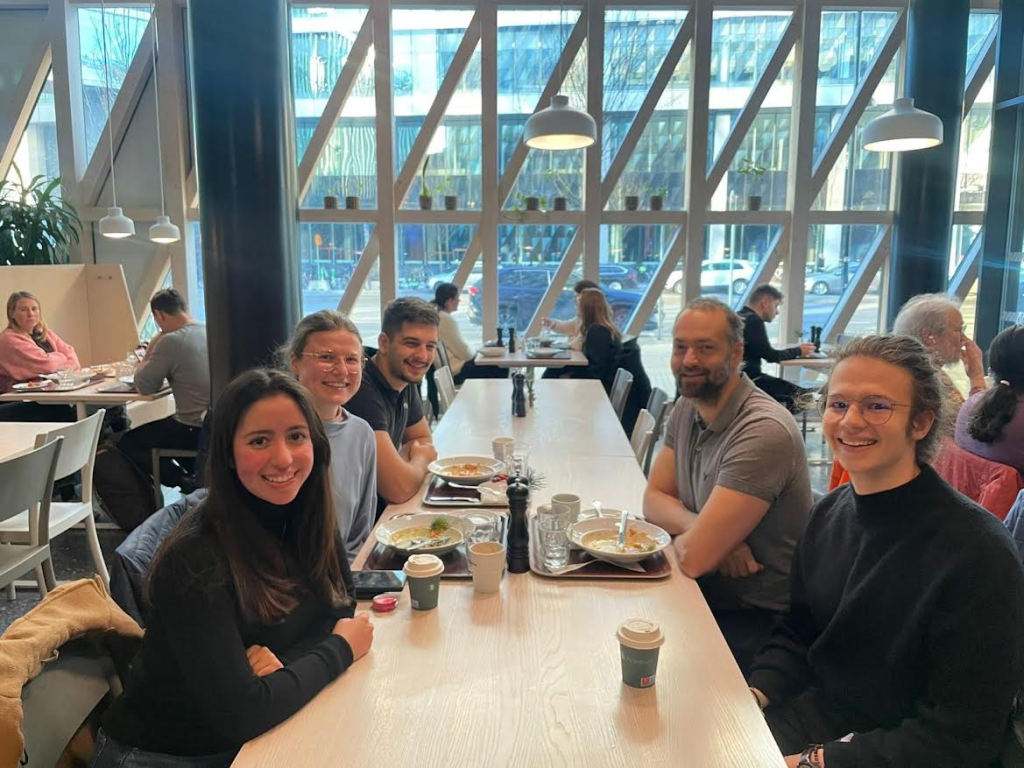
1. What research group do you work for?
Tobias Karlosson’s group (check it out on the KI website!)
2. How did you get your internship?
Through NeurotechEU, the KI student representative at the time offered me the opportunity to work with her.
3. What kind of work do you do?
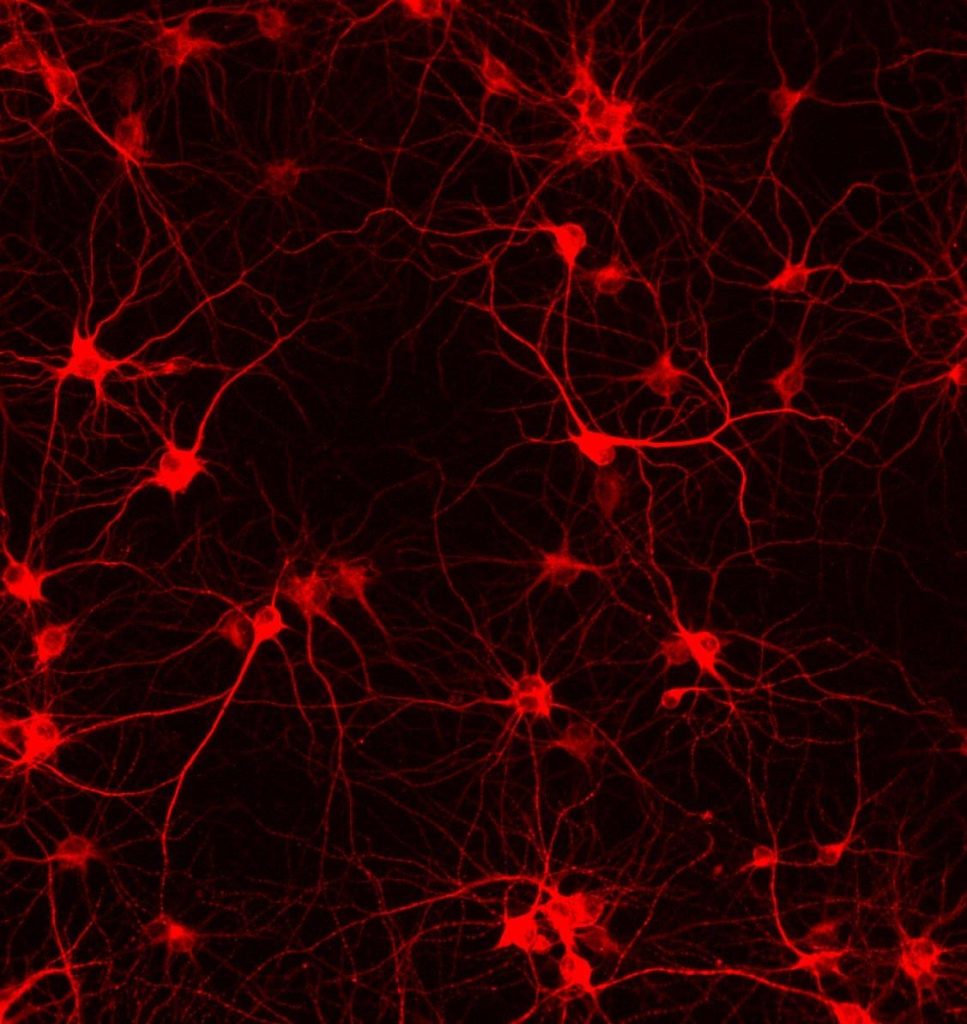
So far I have worked with cell cultures as well as fluorescent microscopy and image analysis. During my internship, I learned multiple wet lab techniques and had to use image analysis software to obtain data
4. Is it difficult to balance it with your studies?
Yes, it definitely can be very challenging at times, especially when doing time-sensitive experiments. However, the experience can shape your thinking in ways university courses can’t.
5. Are you paid?
Not a the moment, but I was paid when I did the KI Summer School in Medical Research.
Daniel works at a research group in SciLife lab working with computational biophysics
1. What research group do you work for?
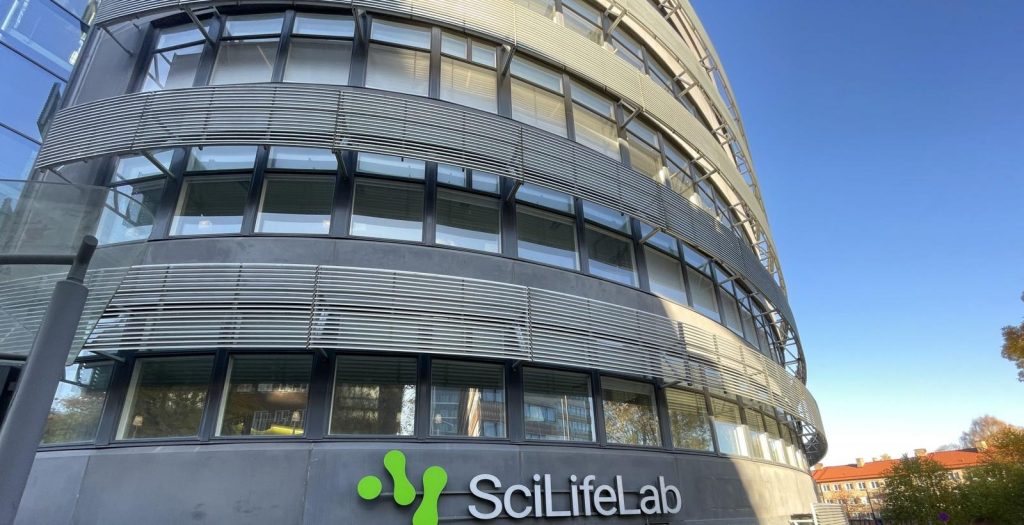
I work for the Adnane Achour research group in SciLife
2. How did you get your internship?
I obtained it for the KI Summer School. I emailed the PI, and had to go through an inverview process. After the KI Summer School ended, I was asked to continue at the lab because they were happy with my work, so now I work there during course work time.
3. What kind of work do you do?
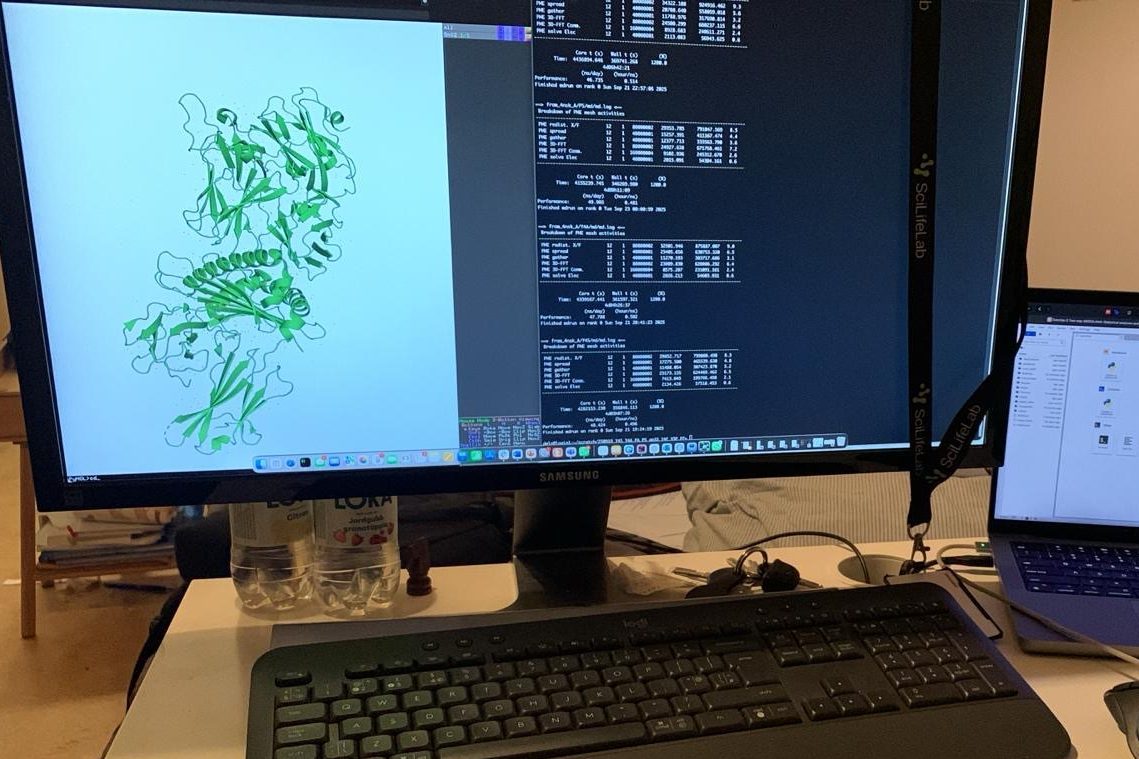
I work in computational biophysics, specifically on the MHC I, where I prepare structures, simulate them, validate simulation and analyze pathways.
4. Is it difficult to balance it with your studies?
It can be difficult, but due to the nature of my work I can work online, at my home via the SciLife intranet, which gives me a lot of flexibility, I work connecting to servers from my computer so my lab station is mostly online.
5. Are you paid?
Nope, but I don’t expect them to. It’s a huge privilege to work at this lab, and the experience that I get is more than enough.
What research team will you be contributing to?
Check out all the research happening at KI! Out of the 800 teams, in which lab do you see yourself?

Julia - Biomedicine (BSc)
Hi, I’m Julia from Slovenia! I’m excited to share my experience as a KI student. When I first learned about the Bachelor's Programme in Biomedicine at KI, the university’s prestige and its academic and research excellence, I made it my goal to get in. Now that I’m a KI student, my new goal is to make the absolute most of everything KI and Stockholm have to offer — from education to student life. I hope to maintain a “say-yes-to-everything” mindset, learn Swedish as soon as possible, hunt for internships, meet new people, and have fun.
0 comments