
FAQs on the bachelor’s programme in biomedicine (part 2)
This is part 2 of my blog where I am answering frequently asked questions from prospective students. You’ll find answers to the following questions:
6. How many points do I need on IB/equivalent to get in?
7. What are the career opportunities with this bachelor’s degree? What’s your plan?
8. Is it hard to meet people outside of the course or from different unis?
9. How did you find housing? What housing options exist?
10. What exchange opportunities are there throughout the programme?
6. How many points do I need on IB/equivalent to get in?
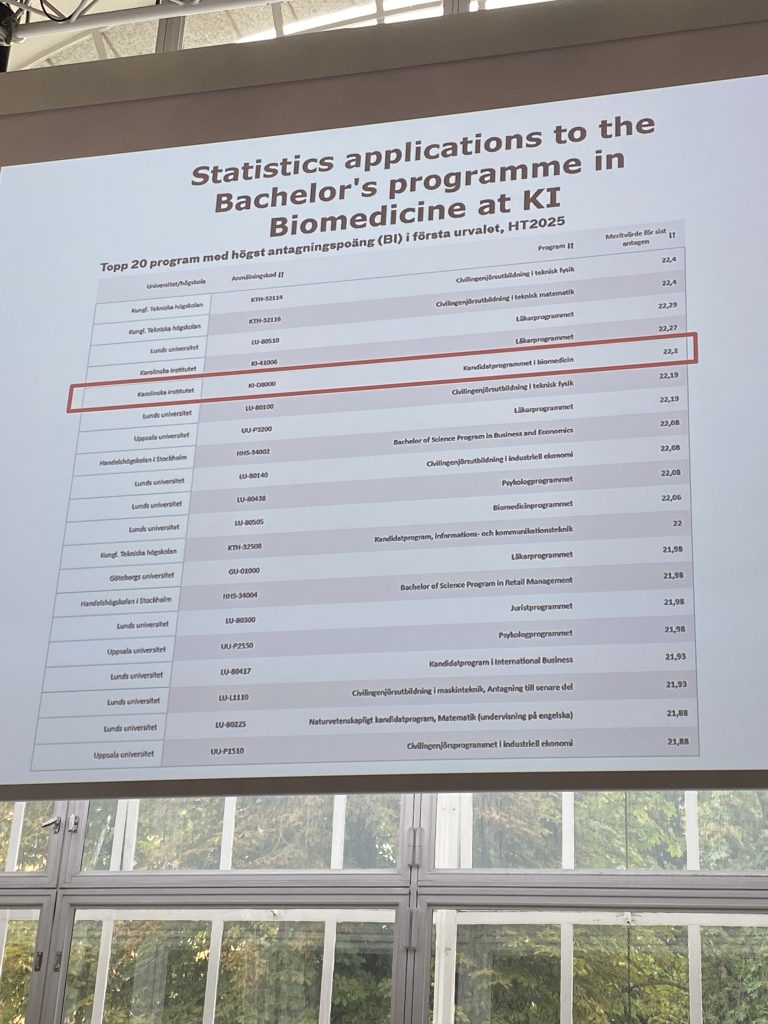
There is no minimum grade for entry. The amount of points you’ll need in IB or any other qualification to be accepted depends on how many students apply and how well those students have scored. Your highschool grades will be converted to Swedish merit ranking system where you can get up to 22.5 points. Out of these, 2.5 points are considered “extra points” which are given if you’ve taken a harder math course, langauge course, etc. You can read more about this grade conversion system on the studera.nu website.
Last year it was the 4th hardest programme to get into in all of Sweden!
7. What are the career opportunities with this bachelor’s degree? What’s your plan?
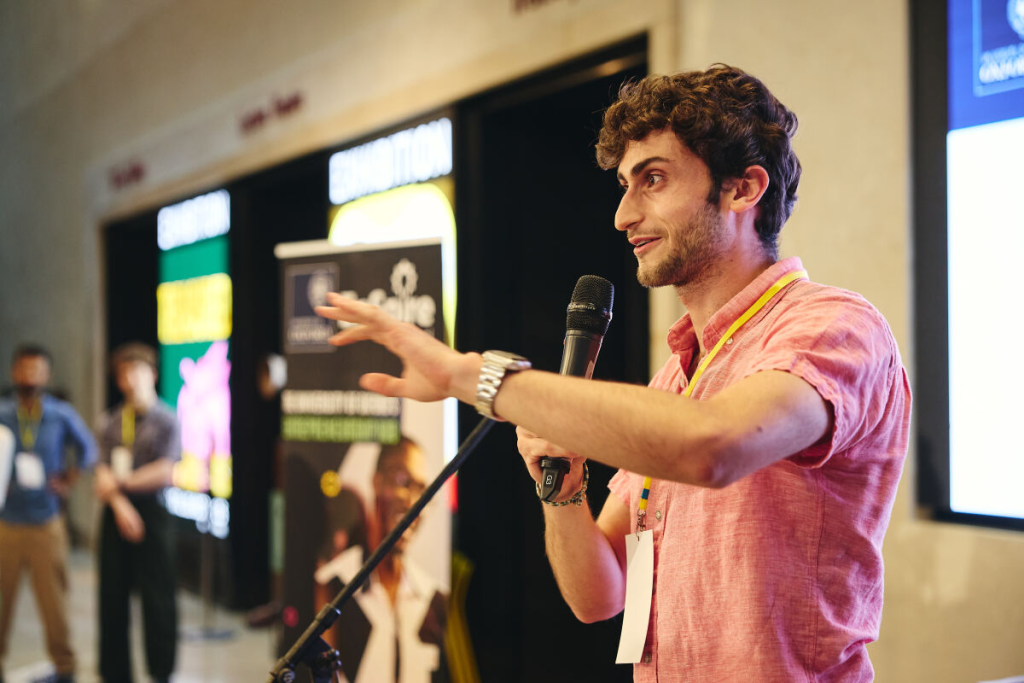
Most students will pursue at least a masters if not also a PhD after this bachelor’s. It’s still quite a broad degree so you’ll be able to qualify for a lot of masters within the feild of biology, medicine, and chemistry. A lot of students remain in academia, but a good portion also end up in industry. Some people end up with their own start ups, like Carlos Valverde who continued his studies at Oxford where he founded a company with a friend. So, you’re not chained to a lab after this degree if you find out wet lab isn’t your thing. That’s sort of what I found out throughout the course of the programme.
After my KI summer school internship, which was a more clinical than wet-lab research project, I thought maybe that’s what I want to work with in the future. As a result I’m now planning on studying medicine. Maybe (or hopefully) even at KI! I know it has been done before, a friend from Germany finished her bachelors in biomedicine and is now in her 6th semester of medicine at KI.
8. Is it hard to meet people outside of the course or from different universities?
Not at all, especially if you get involved in student organizations and at KI’s student union (Medicinska Föreningen). Intro week is also a great time to meet all the new students at KI across all the different courses. I’ve met quite a few people from there whom I am still close to. Another way I’ve managed to make friends from different courses is by becoming a member of PrU, the program committee. Through this organization I have made friends that study medicine, physiotherapy, speech and language pathology, optometry, nursing, psychology etc!
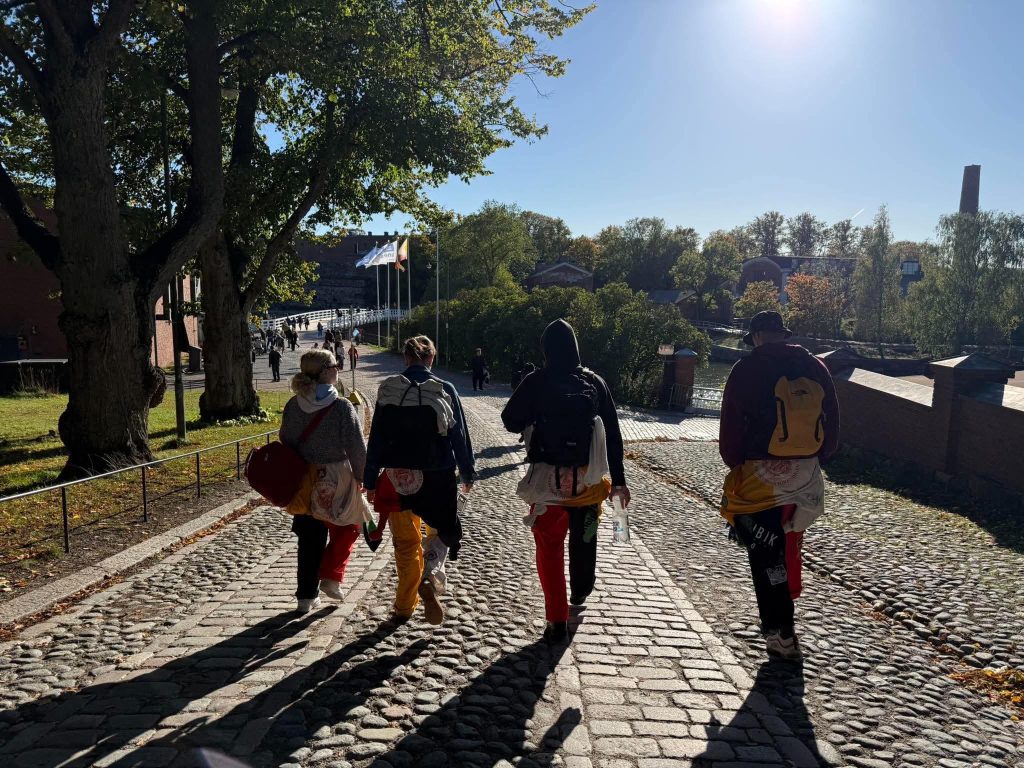
I’ve also met a lot of people from different universities at SNNC, the Students’ Nobel NightCap which I was part of in 2024 and 2025. There you get to meet people from KTH, SU, and Handels.
9. How did you find housing? What housing options exist?
As soon as I got accepted to KI (which was relatively late; early July) I immediately sat myself down and began the housing search…took several days (which I don’t think is that bad actually.) I was on many different websites, but mainly on Blocket and Qasa. There I ended up finding a middle aged lady that was renting out a room in her apartment. For two years I lived there with her lovely cat, and her daughter visiting every other two weeks. It was quite a decent living situation, given the location and the rent. It also felt nice to be able to share a large apartment. But this year I nevertheless moved out to student housing. SSSB is Stockholm’s student housing organization, and they have a building that is a 10 minute walk from KI. I live there now and absolutely love it!!… I miss the cat though.

I would recommend getting into the SSSB housing queue as soon as you know you’re moving here. That way you’ll start collecting queue days as soon as possible! (You need queue days to compete for student housing, this is why at the start you will have to find something on the private market.)
10. What exchange opportunities are there throughout the programme?
You have two opportunities to go on exchange throughout the program. The first one is during the 3rd and 4th term (meaning one term in your second year.) This exchange is thanks to an agreement with Leiden university, so you get the opportunity to go to Leiden during this period. However, for the thesis project in your last term, you get a list of countries to apply to! You can read more about it on my blog: All you need to know about exchange opportunities at KI.
Hope this blog managed to answer some of the questions running through your minds!

Julia - Biomedicine (BSc)
Hi, I’m Julia from Slovenia! I’m excited to share my experience as a KI student. When I first learned about the Bachelor's Programme in Biomedicine at KI, the university’s prestige and its academic and research excellence, I made it my goal to get in. Now that I’m a KI student, my new goal is to make the absolute most of everything KI and Stockholm have to offer — from education to student life. I hope to maintain a “say-yes-to-everything” mindset, learn Swedish as soon as possible, hunt for internships, meet new people, and have fun.
0 comments