
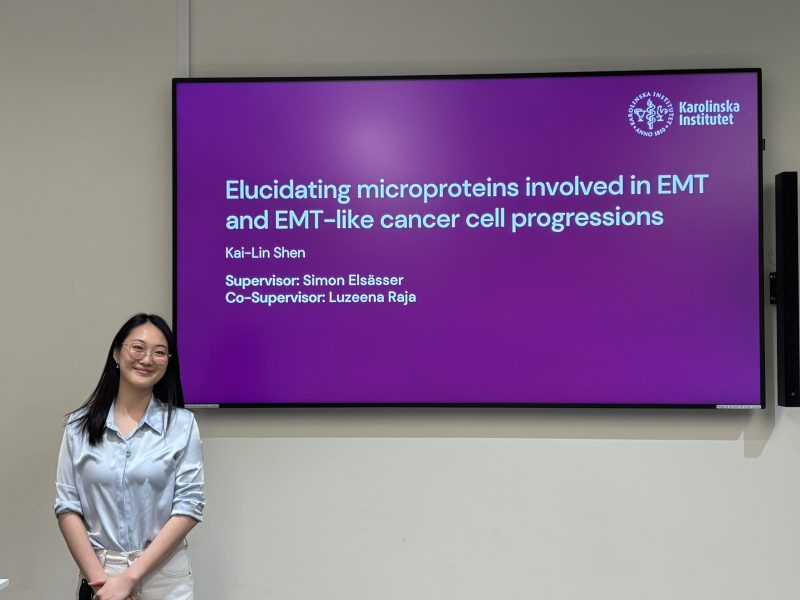
Tips for doing a Master’s thesis at KI
The short summary of my thesis experience is this: it will not go as planned. Despite your plans possibly derailing, I wanted to offer some insight into the overall experience under the structure of advice I would tell myself if I were to start the experience all over again.
1. Establish clear communication
Part of the experience with conducting research for a master’s thesis is working with multiple people. Firstly, a thesis with the Molecular Techniques in Life Sciences (MTLS) Master’s programme is a three-school affair which means that there are many players involved administratively and therefore require clear communication of expectations. Additionally, you will be working with a research group, learning new techniques and working as an active member of the group. You should always establish clear goals, communicate deadlines, take accountability for mistakes and have a good chat. When I have a meeting with my supervisor, I tend to write down the meeting notes and repeat back the expected deliverables and takeaways to my supervisor for confirmation.
Also, there will always be fikas, lab meetings, lunches, shared lab and office spaces where you will have casual conversations and small talk!
2. Document Document Document
One of the good practices of science is to document your work. This is an essential skill for reproducibility, learning, troubleshooting and sharing research with the lab. Additionally, consistent documenting will be key to writing a good thesis as you can trace back your work. As you document you can also make interpretations that will aid in the final brain mapping.
During the writing process, you will start to realize that you have accomplished a lot more than you could remember in the few months of experimentation. Why did I use this volume instead of the usual volume of reagent? What is the control in this experiment? The best lab notes I took also included the motivation and reasoning behind the choices that were made.
3. Learn from the people around you and beyond the thesis
A third piece of advice is to learn outside of traditional research. You are going to be in a space of scientists doing high class research not just in your lab but also in other labs on the same floor, in the same department, and in the same building. I observed other people and learnt tips that could only be passed through years of experience. In the lunchroom or by the coffee machine, you could hear real life experience of doing a PhD or doing a Post-doc. Ask questions to help yourself make informed decisions about any future paths.
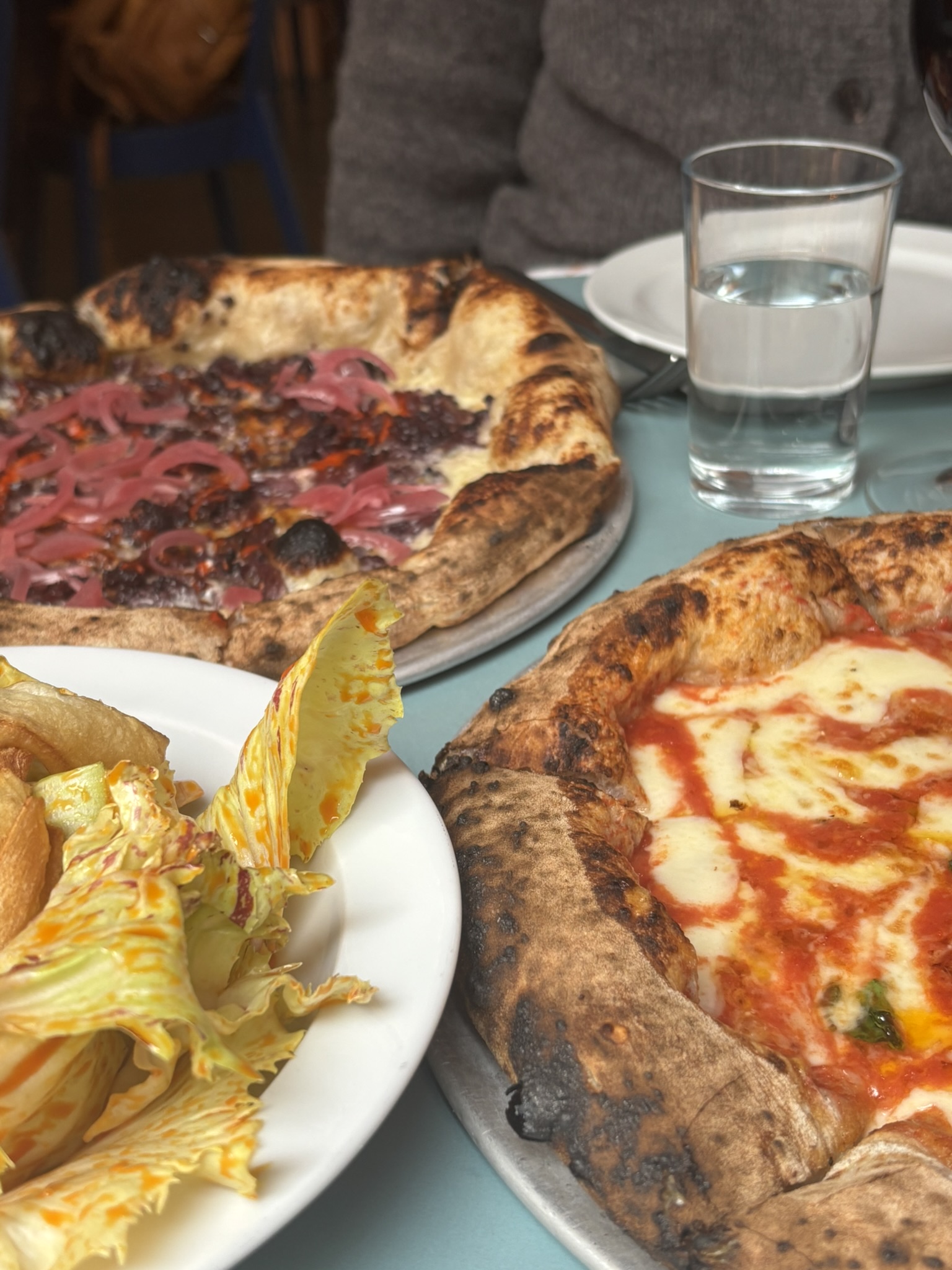
4. Consider joining the lab ahead of the thesis
This is a piece of advice I personally benefited from. The designated time for the thesis is much shorter than you’d think. As with any new experience, there is a transition period at the beginning. You have to learn the space, the lab, the people and the project. I had joined the research group for the 10-week project course prior to the thesis, acting as a set up for the thesis. Although the actual project I conducted were two different ones, I could immediately start working on the thesis when the time came. I had already familiarized myself with the basic techniques of the project and how to work in this space.
On the flip side, working with a new group gives you more chances to expand your repertoire. So, it highly depends on your priorities going into the thesis what you wish to achieve.
5 . Always find time for yourself
Finally, to truly succeed at your thesis, you should always find time to enjoy the last semester of your master’s. Different projects have different demands but sometimes I would have to be in the lab on the weekend for certain experiment timelines or due to deadline pressures. Never forget to live life outside of the thesis because only then would you have the clear mind to actually tackle the puzzles of science. As always in Sweden, find the sun when you can, and socialize to shelf the stress of the thesis.
Throughout the thesis there were many ups and downs, but when I finally presented the thesis and looked at the final product, I truly felt the culmination of months of work. If you decide to come to KI, just know that a rewarding learning experience awaits you.

Kai-Lin - Molecular Techniques in Life Sciences
My name is Kai-Lin. I am currently a master’s student in the Master's Programme in Molecular Techniques in Life Sciences. I come from the sunny island of Jamaica and completed my bachelor’s degree in Singapore. I felt drawn towards this programme because of the high calibre of research that Karolinska Institutet produces and the collaborative nature of the Stockholm trio. Since coming to Stockholm, I have started to enjoy taking walks (and getting some sun) whenever I can. Hopefully, I can share some of those mini adventures with you on the blog!
0 comments